
Home electrical safety tips can help you identify everyday hazards, reduce the risk of electrical fires, and protect your family from electric shocks. From overloaded outlets to damaged power cords, small electrical problems can become serious if they are ignored.
Electricity powers almost everything in a modern home, including lights, kitchen appliances, computers, and heating or cooling systems. However, using electrical equipment incorrectly or overlooking warning signs can put your home at risk.
The good news is that you can reduce many common hazards by developing safe habits and knowing when to call a qualified electrician. In this guide, you will learn 10 practical home electrical safety tips, warning signs you should never ignore, and simple ways to make your home safer.
Why Is Home Electrical Safety Important?
Electrical hazards can cause electric shocks, burns, equipment damage, and fires. Some problems develop gradually, while others appear suddenly when a damaged appliance or faulty connection is used.
Regular visual checks and safe everyday habits can help you identify problems early. However, a visual inspection cannot confirm that hidden wiring or an electrical installation is safe.
According to the Electrical Safety Foundation International (ESFI), homeowners and renters should learn to recognise electrical hazards and use electrical products correctly.
Read the ESFI electrical safety guidance for additional information about protecting your home.
10 Home Electrical Safety Tips to Prevent Common Hazards
Follow these 10 practical tips to reduce common electrical risks around your home.
1. Avoid Overloading Electrical Outlets
Plugging too many high-power appliances into one outlet or power strip can exceed its rated capacity and cause overheating.
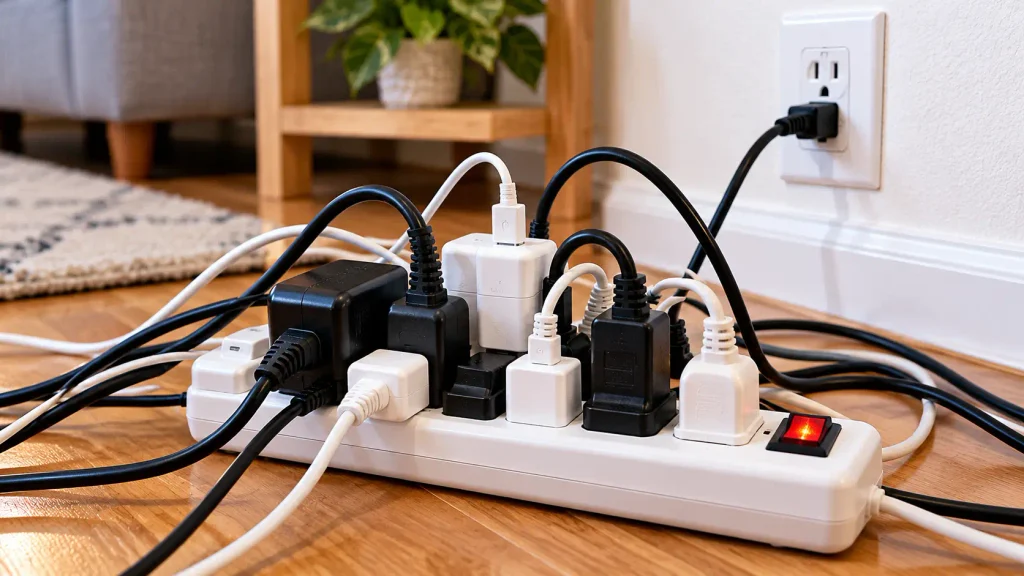
For example, running a heater, microwave, and other high-power appliances from the same overloaded connection can create a dangerous situation.
To reduce the risk:
- Follow the outlet, power strip, and circuit ratings.
- Avoid connecting multiple power strips together.
- Do not assume that an adapter makes an overloaded outlet safe.
- Plug high-power appliances directly into an appropriate outlet when required by the manufacturer.
If an outlet or power strip becomes unusually hot, stop using it. If it is safe to do so, disconnect the equipment without touching damaged parts, and arrange for a qualified electrician to investigate.
2. Inspect Electrical Cords for Damage
Damaged electrical cords are a common hazard that can expose live conductors or cause overheating.
Check the visible parts of cords on lamps, chargers, kitchen appliances, computers, and other frequently used equipment.
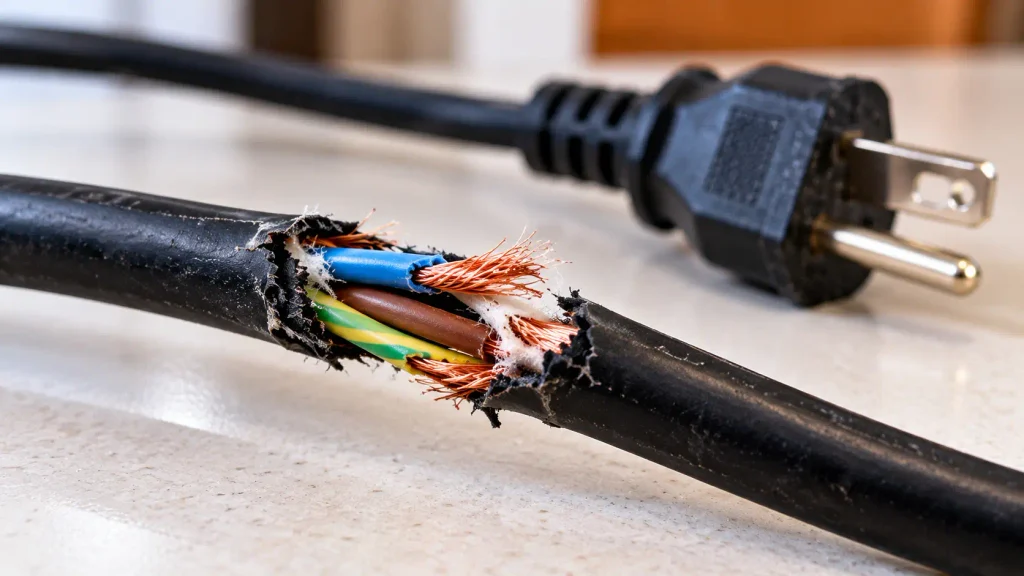
Look for:
- Cracked or frayed insulation.
- Exposed wires.
- Bent, broken, or loose plugs.
- Discolouration or burn marks.
- Signs of melting or overheating.
Stop using damaged equipment immediately. Replace the cord or appliance through an appropriate repair service or manufacturer-approved process.
Never rely on ordinary adhesive tape to repair a damaged power cord.
3. Keep Electrical Equipment Away From Water
Water increases the risk of electric shock, making bathrooms, kitchens, laundry areas, and outdoor spaces particularly important places to use electrical equipment carefully.
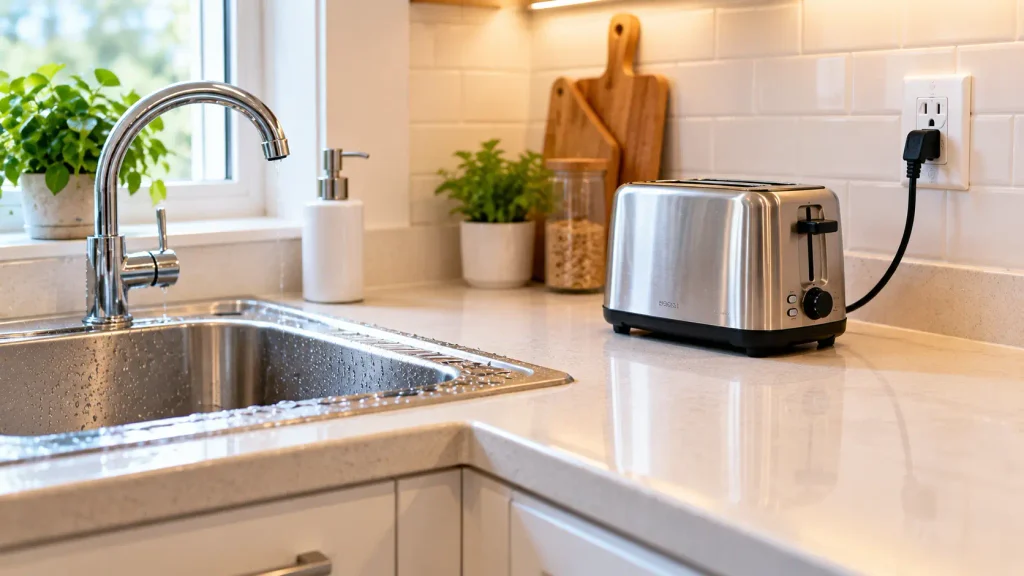
Follow these precautions:
- Keep hands dry when plugging in or unplugging equipment.
- Keep chargers and ordinary electrical appliances away from sinks and wet surfaces.
- Use appliances near water only when they are specifically designed and approved for that environment.
- Never handle plugs or switches while standing in water.
- Ensure outlets and protective devices are appropriate for the location and local electrical requirements.
If water reaches electrical outlets, appliances, or wiring, do not touch the affected equipment. Keep people away and seek qualified assistance.
4. Use Extension Cords Only When Necessary
Extension cords are useful for temporary power needs, but they should not become a permanent substitute for properly installed outlets.
Incorrect use can cause overheating, trip hazards, and electrical fires.
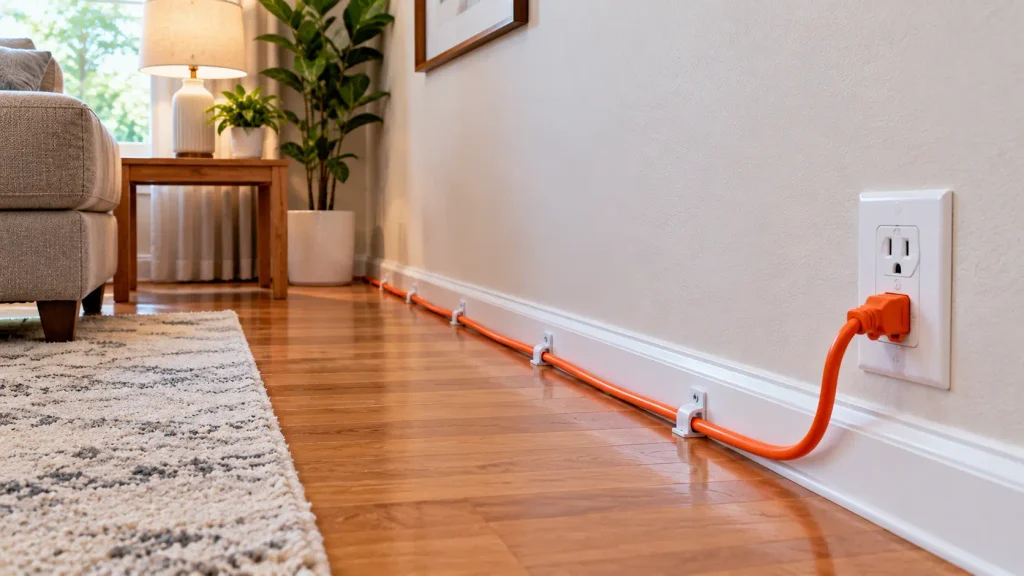
For safer use:
- Choose a cord rated for the equipment and intended environment.
- Inspect the cord before use.
- Keep cords away from rugs, carpets, doorways, and areas where they may be crushed.
- Never use a damaged extension cord.
- Avoid daisy-chaining extension cords or power strips.
- Do not use indoor-rated cords outdoors.
If you regularly need extension cords in the same location, ask a qualified electrician whether additional outlets would be a safer solution.
5. Use Appliances According to Their Instructions
Every electrical appliance has specific requirements for power, ventilation, placement, and operation.
Using equipment incorrectly can increase the risk of overheating, electric shock, or fire.
Make sure you:
- Read the manufacturer’s instructions before using a new appliance.
- Use the correct voltage and compatible power supply.
- Keep ventilation openings clear.
- Place appliances on stable surfaces where required.
- Keep portable heaters away from curtains, bedding, paper, and other combustible materials.
- Stop using appliances that smell burnt, spark unexpectedly, or behave abnormally.
Never use a damaged appliance simply because it still switches on.
6. Keep Electrical Outlets and Switches in Good Condition
Loose, damaged, or discoloured outlets and switches may indicate an electrical problem.
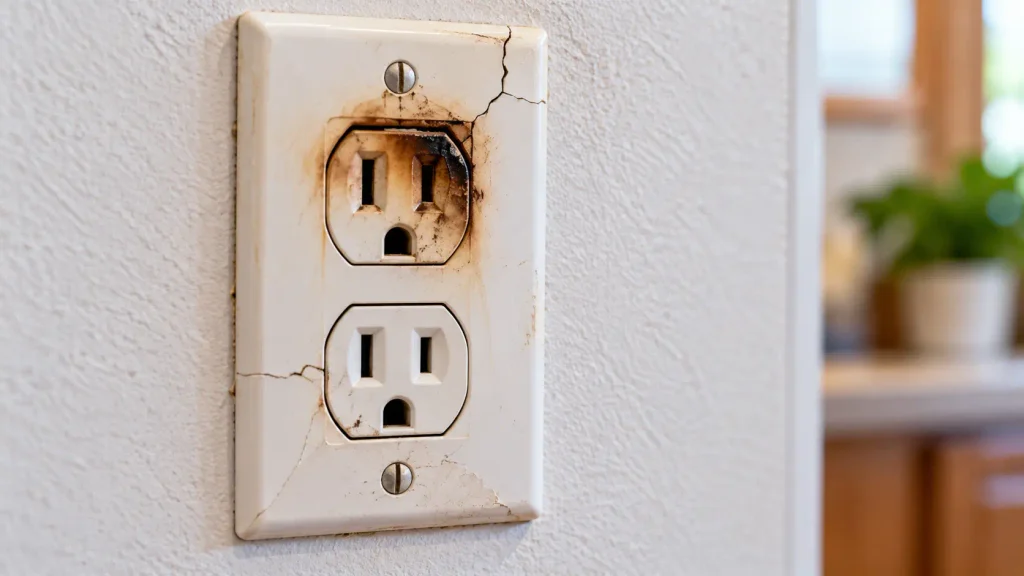
Pay attention to warning signs such as:
- Plugs that fit loosely into an outlet.
- Cracked or missing faceplates.
- Buzzing or crackling sounds.
- Sparks during normal use.
- Warm or discoloured outlet covers.
- A burning smell near a switch or socket.
Do not remove outlet covers or attempt internal repairs yourself. Stop using a suspicious outlet and contact a qualified electrician.
If you notice smoke, flames, or active sparking, keep away from the area and contact your local emergency service when necessary.
7. Never Ignore Frequently Tripping Circuit Breakers
Circuit breakers are designed to interrupt electrical power when certain unsafe conditions occur.
A breaker that trips repeatedly may indicate an overloaded circuit, a faulty appliance, a short circuit, or another electrical problem.
If this happens:
- Stop using the affected equipment.
- Unplug an appliance only if it is safe to do so.
- Note which appliances were operating when the breaker tripped.
- Contact a qualified electrician if the breaker continues to trip.
Never force a breaker to stay on, bypass it, or replace it with one that has a higher rating without a proper electrical assessment.
A repeatedly tripping breaker is a warning sign, not an inconvenience to work around.
8. Use Proper Protection for Children
Children may not understand the dangers of electricity, so prevention is especially important in homes with young family members.
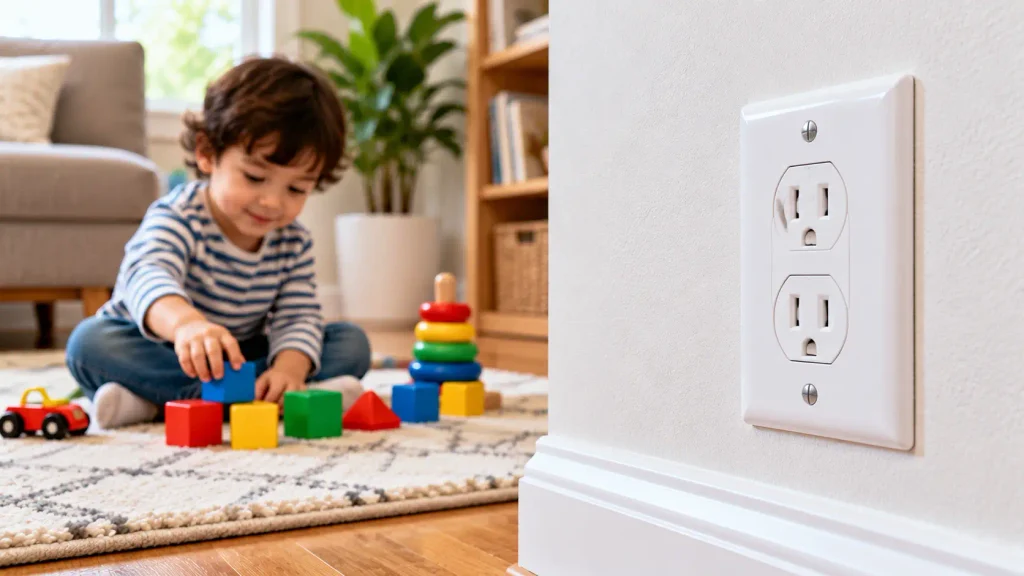
Consider these precautions:
- Use suitable tamper-resistant outlets or approved safety covers where appropriate.
- Keep chargers and cords out of children’s reach.
- Do not allow children to insert objects into outlets.
- Keep electrical equipment away from play areas.
- Teach children never to touch damaged cords or electrical equipment near water.
Safety covers should be suitable for the outlet type and should not interfere with proper plug connections.
Regularly check accessible cords and outlets for damage.
9. Protect Electrical Equipment From Power Surges
Power surges can damage computers, televisions, routers, and other sensitive electronics.
A suitable surge protector can help protect connected equipment from certain voltage spikes, but not every power strip provides surge protection.
For better protection:
- Choose a surge protector with an appropriate rating.
- Follow its instructions for use and replacement.
- Replace damaged units.
- Avoid exceeding the product’s load rating.
- Consider professionally installed surge protection where appropriate for your home.
Remember that a surge protector does not make an overloaded outlet safe, and it does not eliminate every electrical risk.
10. Schedule Electrical Inspections When Needed
Some electrical hazards cannot be identified through a simple visual check.
An electrical inspection may be particularly important if your home has old wiring, repeated electrical problems, recent major renovations, or newly installed high-power appliances.
Consider arranging a professional inspection when:
- You move into an older home.
- You notice frequent breaker trips or flickering lights.
- You detect burning smells or unexplained warmth around electrical fittings.
- You are planning a major renovation.
- You have concerns about the condition of the electrical installation.
A qualified electrician can assess the installation, identify faults, and recommend repairs that comply with applicable local requirements.
Do not attempt to inspect or repair internal wiring, distribution boards, or electrical panels yourself.
Warning Signs of Electrical Hazards You Should Never Ignore
Knowing the warning signs can help you recognise when a problem needs urgent attention.
| Warning sign | What to do |
|---|---|
| Burning or melting smell | Stop using the affected equipment and seek professional help. |
| Hot or discoloured outlet | Stop using it and contact a qualified electrician. |
| Repeatedly tripping breaker | Have the underlying problem investigated. |
| Frayed or exposed wires | Stop using the equipment and arrange proper repair or replacement. |
| Buzzing, crackling, or unexpected sparks | Keep away and seek qualified assistance. |
| Smoke or visible fire | Evacuate immediately and call your local emergency service from a safe location. |
Never touch exposed wiring or attempt to investigate a suspected electrical fire yourself. If a fire involves electrical equipment, do not use water to extinguish it.
Simple Home Electrical Safety Checklist
Use this checklist as part of your regular home maintenance routine.
- Check visible electrical cords for damage.
- Avoid overloading outlets and power strips.
- Keep electrical equipment away from water.
- Make sure extension cords are used safely and temporarily.
- Keep appliances ventilated and use them as directed.
- Check for loose, cracked, or discoloured outlet covers.
- Take repeated breaker trips seriously.
- Keep children away from electrical hazards.
- Check that surge protectors are suitable and undamaged.
- Arrange professional help when warning signs appear.
These checks can help you spot visible problems, but they do not replace a professional electrical inspection.
Frequently Asked Questions
1. What are the most important home electrical safety tips?
Avoid overloaded outlets, inspect visible cords, keep electricity away from water, use appliances correctly, and contact a qualified electrician when you notice warning signs.
2. Is it safe to use an extension cord every day?
Extension cords are generally intended for temporary use. If you regularly need one in the same location, consider having a qualified electrician install an appropriate permanent outlet.
3. Why does my circuit breaker keep tripping?
Possible causes include an overloaded circuit, a faulty appliance, or an electrical fault. Stop using the affected equipment and seek professional assistance if the problem persists.
4. What should I do if an electrical outlet feels hot?
Stop using the outlet. Do not remove its cover or attempt to repair it. Contact a qualified electrician to identify the cause.
5. Can a surge protector prevent all electrical damage?
No. A suitable surge protector can reduce the risk of damage from certain voltage spikes, but it cannot prevent every surge or make unsafe wiring safe.
6. How often should home electrical systems be inspected?
There is no single inspection schedule suitable for every home. The appropriate timing depends on the property’s age, condition, local requirements, and any warning signs. Arrange a professional inspection when problems occur or when an assessment is recommended.
Final Thoughts
Following these 10 home electrical safety tips can help you recognise common hazards and develop safer habits around electricity.
Avoid overloaded outlets, replace damaged equipment, keep electrical devices away from water, and never ignore warning signs such as burning smells, hot outlets, or repeated breaker trips.
Most importantly, leave electrical repairs and internal wiring work to qualified professionals. A few sensible precautions today can help reduce the risk of electrical accidents and keep your home safer.
For more practical home safety advice, read our guide on how to test a smoke detector and keep your home safe.