
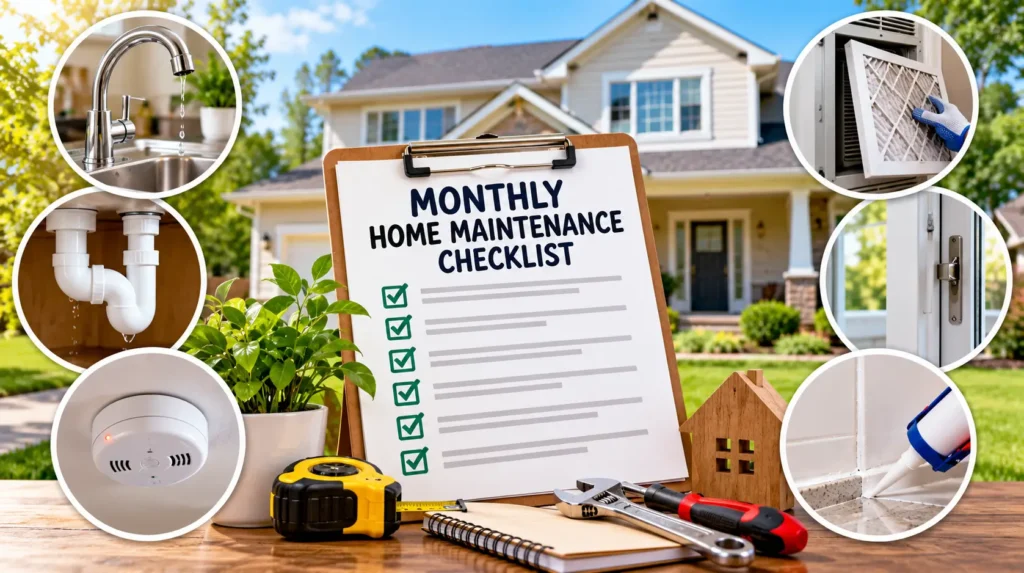
Monthly home maintenance checklist is a simple way to catch small problems before they turn into expensive repairs. A few minutes spent checking for leaks, moisture, damaged seals, appliance issues, pests, and safety problems can help keep your home in better condition.
You don’t need to inspect everything in your home every month. Instead, focus on the areas that are most likely to develop small problems over time.
In this guide, you’ll find 20 practical monthly home maintenance tasks, plus a quick checklist you can save and use each month.
Why Is Monthly Home Maintenance Important?
Small home problems are often easy to overlook. A slow faucet drip, damp cabinet, cracked caulk, clogged drain, or damaged seal may not seem serious at first, but ignoring it can allow the problem to become worse.
A monthly inspection can help you:
- Find small leaks early
- Reduce moisture problems
- Spot damaged caulk and seals
- Catch pest activity
- Keep appliances working properly
- Notice small repairs before they become bigger
- Keep doors and windows operating properly
- Maintain a cleaner and safer home
The goal isn’t to repair everything yourself. It’s to notice problems early and decide what needs attention.
Monthly Home Maintenance Checklist: 20 Things to Check
1. Check for Plumbing Leaks
Look around sinks, faucets, toilets, exposed pipes, and plumbing connections for signs of leaking water.
For a more detailed guide, see our article How to Fix a Leaky Faucet: Easy Step-by-Step Guide if you notice a dripping faucet.
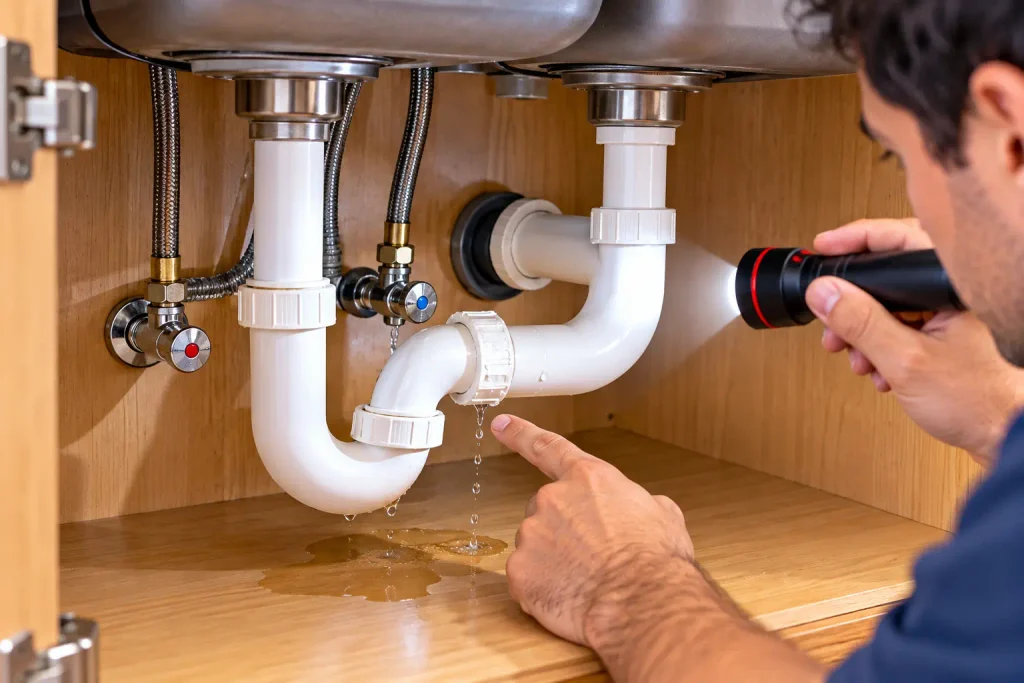
Check for:
- Dripping faucets
- Wet cabinet surfaces
- Water stains
- Damp pipes
- Puddles
- Moisture around connections
Even a small leak is worth investigating.
If your kitchen faucet is dripping, see our guide Kitchen Faucet Is Dripping From the Spout? 7 Easy Fixes.
2. Inspect Faucets and Drains
Turn on each frequently used faucet and check whether water flows normally.
Look for:
- Slow drainage
- Unusual dripping
- Water around the faucet base
- Loose handles
- Unusual odors from drains
Cleaning a drain early may be easier than dealing with a completely blocked drain later.
3. Check Under the Kitchen Sink
The area underneath the sink can hide small leaks for weeks.
Remove items from the cabinet and inspect:
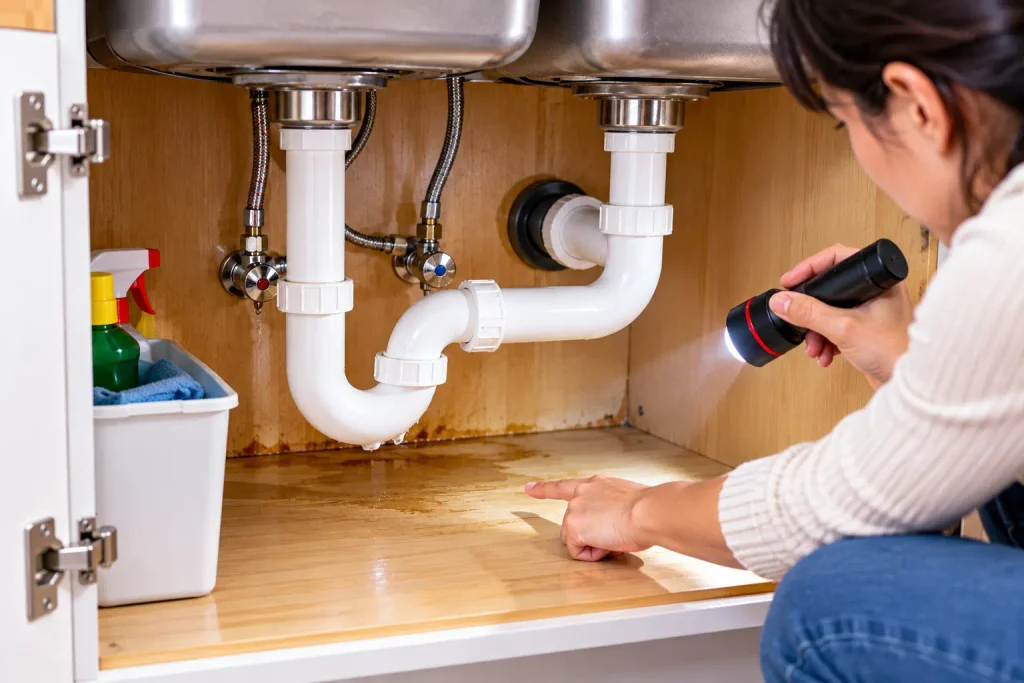
- Supply connections
- Drain connections
- Cabinet floor
- Pipes
- Shut-off valves
If you notice dampness or water stains, find the source before putting everything back.
4. Test Toilet Handles and Flushes
Flush each toilet and pay attention to how the handle feels and how the toilet behaves afterward.
If the handle feels loose, see our guide Toilet Handle Feels Loose? 6 Easy Fixes to Try for step-by-step troubleshooting.
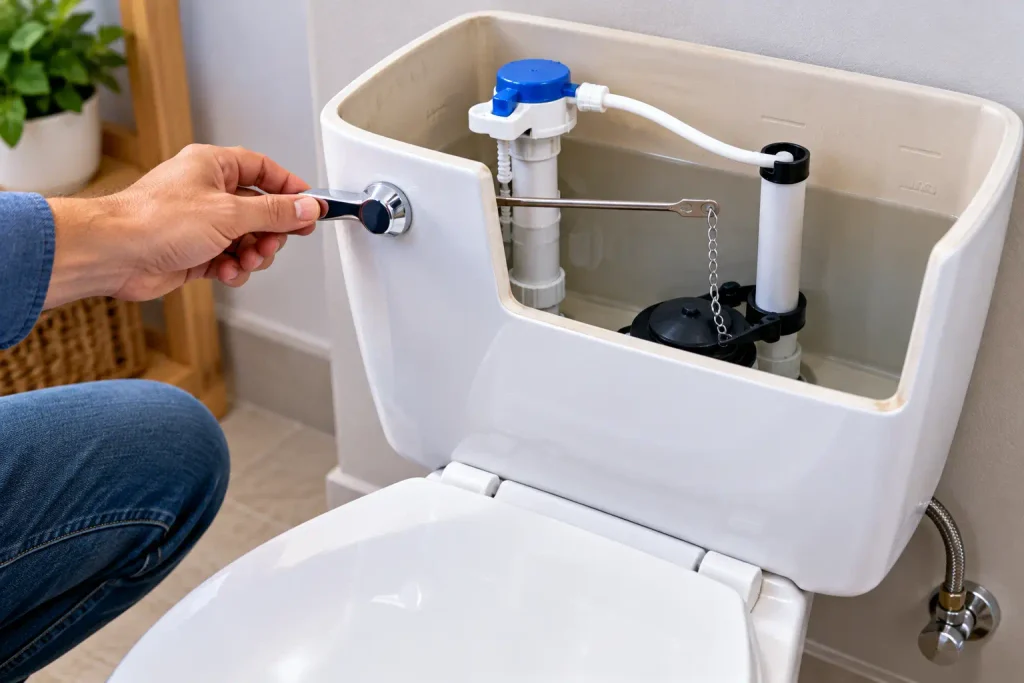
Watch for:
- A loose handle
- A handle that sticks
- A toilet that keeps running
- A weak or incomplete flush
- Water continuing to flow after flushing
5. Clean Sink and Shower Drains
Hair, soap residue, food particles, and other debris can gradually build up inside drains.
Clean accessible drain covers and remove visible debris.
Avoid forcing objects deep into a drain, especially if you cannot see where they are going.
6. Check for Mold and Damp Spots
Inspect bathrooms, kitchens, laundry areas, and other places where moisture is common.
If you find black mold stains around bathroom caulk, see our guide How to Remove Black Mold Stains From Bathroom Caulk Safely.
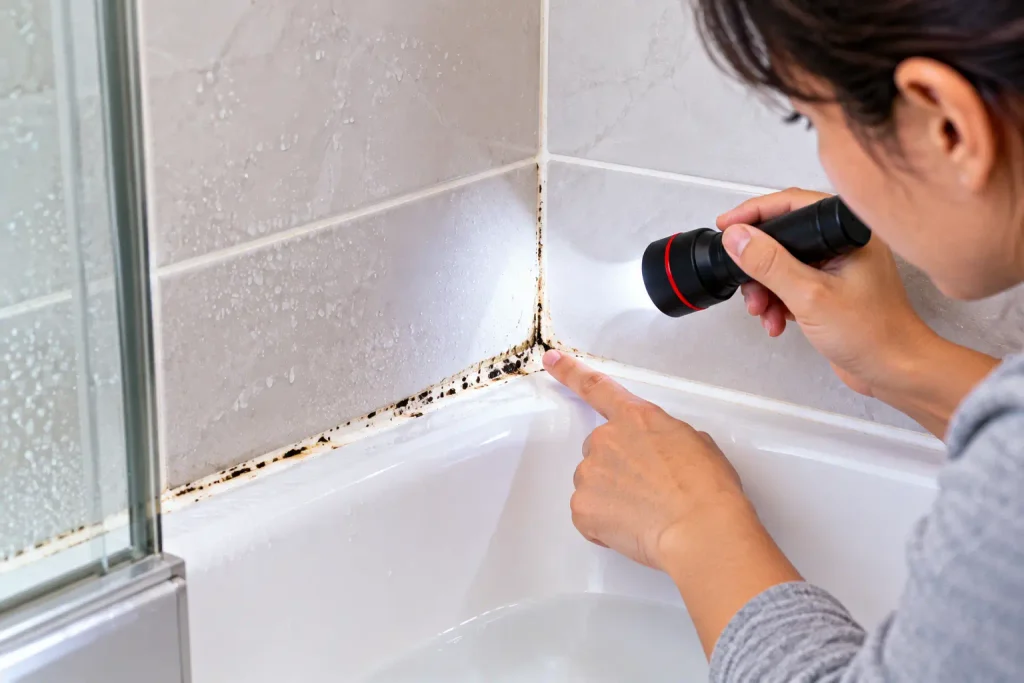
Look around:
- Shower corners
- Bathroom caulk
- Under sinks
- Around windows
- Behind appliances
- Ceiling corners
Pay attention to dark spots, peeling materials, persistent dampness, or musty odors.
7. Inspect Doors and Windows
Open and close frequently used doors and windows.
Check whether they:
- Open smoothly
- Close completely
- Stay properly aligned
- Have damaged seals
- Have loose handles or hinges
A door that suddenly becomes difficult to close may need adjustment before the problem gets worse.
8. Check Locks and Handles
Test exterior door locks, window locks, cabinet handles, and frequently used hardware.
Look for loose screws, sticking mechanisms, or damaged parts.
Do not force a lock or handle that is jammed. Investigate the cause first.
9. Test Smoke and Carbon Monoxide Alarms
Test smoke alarms and carbon monoxide alarms according to the manufacturer’s instructions.
For additional smoke and carbon monoxide alarm safety guidance, see the U.S. Consumer Product Safety Commission’s CO Alarms guide, which recommends testing smoke and CO alarms monthly.
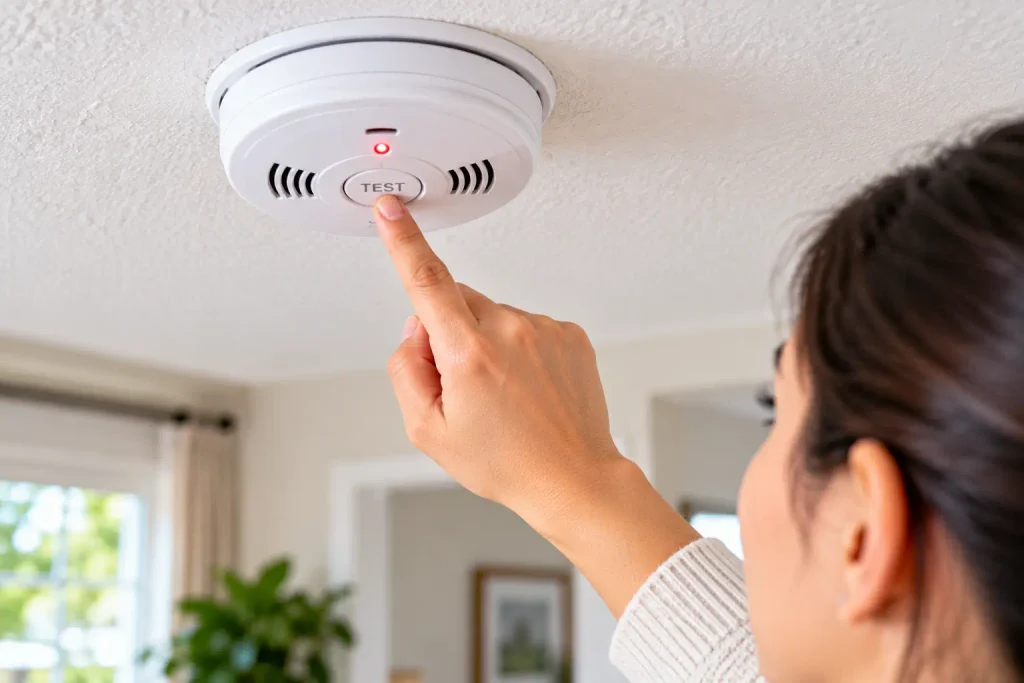
Check that:
- The test function works
- The alarm is securely mounted
- Batteries are replaced when needed
- The device is within its recommended service life
If your alarms use replaceable batteries, check them regularly rather than waiting for a low-battery warning.
10. Check HVAC or Air-Conditioning Filters
Inspect your HVAC or air-conditioner filter if your system uses a replaceable or cleanable filter.
A dirty filter can restrict airflow and may reduce system efficiency.
Follow your equipment manufacturer’s recommendations for cleaning or replacing the filter.
11. Clean Exhaust Fans
Check bathroom and kitchen exhaust fans for visible dust buildup.
A dirty fan may not move air as effectively.
Turn the fan off before cleaning it and follow the manufacturer’s instructions for removing and cleaning accessible parts.
12. Inspect Commonly Used Appliances
Take a quick look at appliances such as:
- Washing machines
- Dishwashers
- Refrigerators
- Microwaves
- Ovens
- Dryers
Look for unusual noises, leaks, damaged cords, poor drainage, or other changes in normal operation.
Don’t ignore a new problem simply because the appliance is still working.
13. Check the Refrigerator and Freezer
Inspect the refrigerator for:
- Water underneath or inside
- Damaged door seals
- Excessive frost
- Unusual noises
- Food buildup or spills
Clean accessible areas and make sure the doors close properly.
14. Clean the Kitchen Range Hood
Grease and dust can accumulate around the range hood and filter.
Clean the accessible filter and surrounding surfaces according to the manufacturer’s instructions.
A cleaner hood can also help maintain better airflow while cooking.
15. Look for Signs of Pests
Check kitchens, bathrooms, storage areas, and other places where pests may appear.
Look for:
- Ant trails
- Droppings
- Gnaw marks
- Damaged food packaging
- Small gaps around pipes or walls
If you keep finding ants in the kitchen, see our guide How to Stop Ants From Coming Into Your Kitchen: 9 Easy Ways.
Don’t wait for a large infestation before investigating repeated pest activity.
16. Check Walls and Ceilings
Walk through your home and look for changes such as:
- New cracks
- Peeling paint
- Discoloration
- Water stains
- Bubbling paint
- Damp areas
A new stain on a ceiling or wall can sometimes indicate a moisture problem that needs further investigation.
17. Inspect Caulk and Seals Around Wet Areas
Check caulk around:
- Bathtubs
- Showers
- Sinks
- Countertops
- Backsplashes
Look for cracks, gaps, peeling edges, or areas where the seal has separated from the surface.
Damaged caulk may allow water to reach areas that are difficult to dry.
18. Check Outdoor Areas
If you have outdoor space, inspect areas around your home for obvious maintenance problems.
Check:
- Gutters and visible downspouts
- Exterior doors
- Windows
- Outdoor faucets
- Cracks around openings
- Standing water
- Signs of pests
Remove leaves and debris from areas where they can collect moisture.
19. Inspect Electrical Cords and Outlets
Look at frequently used electrical cords, plugs, and accessible outlets.
Stop using a damaged cord and have electrical problems assessed by a qualified professional when necessary.
Never attempt electrical repairs that you are not qualified to perform.
20. Review Small Repairs Before They Get Worse
At the end of your monthly inspection, make a list of anything that needs attention.
For example:
- Loose handles
- Dripping faucets
- Damaged caulk
- Slow drains
- Sticking doors
- Broken seals
- Pest activity
- Water stains
Prioritize problems based on safety, water damage risk, and how quickly they appear to be getting worse.
Fix first:
- Active water leaks
- Electrical damage/burning smell
- Major moisture or structural issues
- Safety alarm problems
- Pest activity
- Cosmetic/small repairs
Quick Monthly Home Maintenance Checklist
You can save this shorter version and use it once a month:
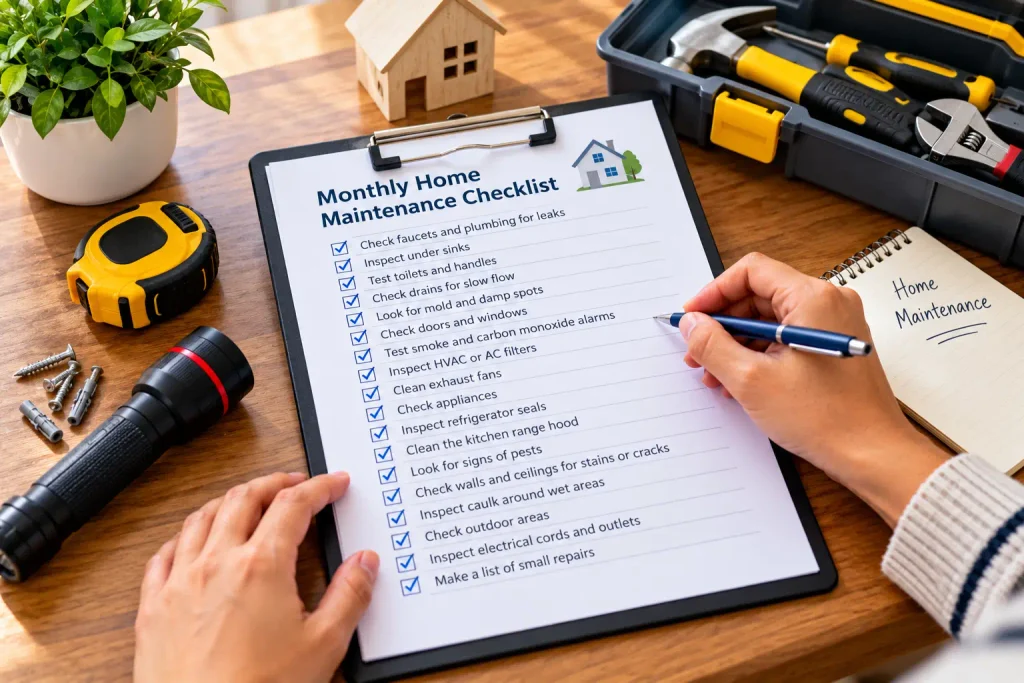
- Check faucets and visible plumbing for leaks
- Inspect underneath sinks
- Test toilets and handles
- Check drains for slow flow
- Inspect bathrooms for mold and dampness
- Check doors and windows
- Test smoke and carbon monoxide alarms
- Inspect HVAC or AC filters
- Clean exhaust fans
- Check appliances for leaks or unusual operation
- Inspect refrigerator seals
- Clean the range hood
- Look for signs of pests
- Check walls and ceilings for stains or cracks
- Inspect bathroom and kitchen caulk
- Check outdoor areas
- Inspect visible electrical cords
- Make a list of small repairs
Common Home Maintenance Mistakes to Avoid
Even a regular maintenance routine can be less effective if small warning signs are ignored.
Avoid these common mistakes:
- Waiting until a small leak becomes a major leak
- Ignoring water stains
- Painting over damp or damaged areas without finding the cause
- Leaving damaged caulk unrepaired
- Ignoring repeated pest activity
- Using damaged electrical cords
- Forcing stuck doors, windows, or handles
- Using the wrong cleaning product on a surface
- Attempting repairs that require professional skills
- Delaying repairs simply because something still works
A maintenance checklist is most useful when it helps you notice problems early, not when it becomes a reason to postpone necessary repairs.
When Should You Call a Professional?
Some home maintenance problems are suitable for simple DIY work, while others require professional attention.
Consider calling a qualified professional when you notice:
- A significant or unexplained water leak
- Repeated plumbing problems
- Electrical damage or burning smells
- Persistent mold or moisture problems
- A large or recurring pest infestation
- Structural cracks or major damage
- An appliance with a potentially dangerous fault
- A problem you cannot safely identify or repair
If you’re unsure whether a repair is safe to do yourself, it’s better to get professional advice than risk injury or additional property damage.
How Often Should You Do Home Maintenance?
A quick inspection once a month is a useful routine, but not every task needs to be performed monthly.
Some maintenance tasks may need to be done more or less frequently depending on:
- Your home’s age
- Climate and weather
- Type of heating and cooling system
- Number of occupants
- Appliances in the home
- Plumbing condition
- Manufacturer recommendations
Use the monthly checklist as a quick inspection routine, and follow manufacturer instructions or professional recommendations for tasks that have specific maintenance intervals.
Frequently Asked Questions
What should I check in my house every month?
Check for plumbing leaks, moisture, mold, pests, damaged caulk, appliance problems, door and window issues, alarm problems, and other small repairs that may become worse over time.
Is monthly home maintenance necessary?
A monthly inspection can help you notice small problems earlier. It doesn’t mean every part of your home needs detailed maintenance every month.
What is the most important thing to check during home maintenance?
Look for problems that can cause safety issues or property damage, particularly leaks, electrical problems, significant moisture, and structural concerns.
How do I keep track of home maintenance?
Use a simple checklist and note the date, problem found, action taken, and whether professional help is needed.
Should I fix every problem myself?
No. Simple maintenance tasks may be suitable for DIY work, but electrical, structural, major plumbing, gas, or other potentially dangerous repairs may require a qualified professional.
What home maintenance should I never ignore?
Don’t ignore active leaks, electrical damage, significant water stains, persistent moisture, strong burning smells, major structural changes, or recurring pest problems.
What should I check first during monthly home maintenance?
Start with potential safety and water-damage problems, such as active leaks, electrical damage, significant moisture, smoke or carbon monoxide alarm issues, and major structural changes. Then move on to smaller maintenance tasks.
Final Takeaway
A monthly home maintenance checklist doesn’t have to take hours. A quick inspection of plumbing, moisture, appliances, doors, windows, safety devices, pests, and common problem areas can help you notice issues before they become expensive repairs.
Keep a simple checklist, record problems when you find them, and deal with important repairs promptly. For anything unsafe or beyond your experience, contact a qualified professional.
A few minutes of regular attention can help keep your home cleaner, safer, and easier to maintain.