
Your doors and windows are two of the most important parts of your home’s security. Weak door locks, damaged window latches, poor outdoor lighting, and hidden entry points can make a property less secure than it should be.
The good news is that learning how to improve home security doesn’t always require an expensive alarm system or a complete renovation. Simple improvements, such as strengthening door locks, securing window openings, and improving outdoor visibility, can help make your home more difficult to enter without permission.
In this guide, you’ll discover 10 practical ways to improve door and window security, identify common weaknesses, and create a simple home security checklist to help protect your property.
Why Is Door and Window Security Important?
Doors and windows are essential entry points, so they deserve regular attention. Over time, locks can wear out, hinges can loosen, frames can deteriorate, and window latches may stop working correctly.
Common home security weaknesses include:
- Loose or damaged door frames.
- Worn-out locks or faulty latches.
- Windows that do not close or lock properly.
- Poor lighting around entrances.
- Unsecured sliding doors.
- Spare keys left in obvious outdoor locations.
- Overgrown plants that block visibility near entrances.
- Old or damaged hardware that needs replacement.
Addressing these problems can improve everyday security and help you identify maintenance issues before they become more serious.
How to Improve Home Security: 10 Simple Tips for Doors and Windows
1. Upgrade Your Exterior Door Locks
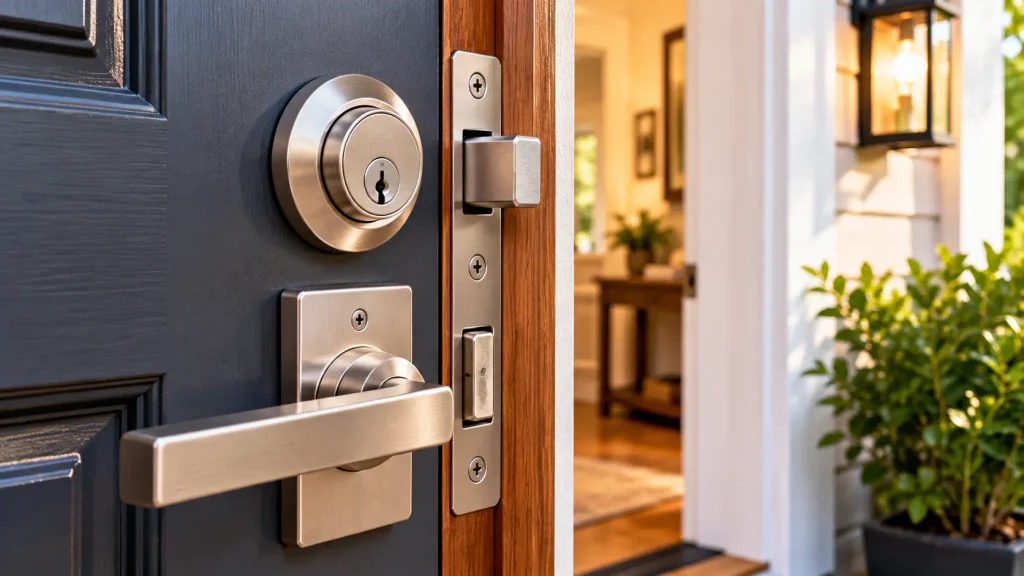
A reliable lock is an important part of securing an exterior door. If your locks are old, damaged, or difficult to operate, consider replacing them with suitable, quality hardware.
What you can do:
- Choose a reputable lock designed for exterior doors.
- Consider a deadbolt where the door and local requirements allow it.
- Make sure the lock engages fully when the door is closed.
- Replace damaged or unreliable locks promptly.
- Ask a qualified locksmith to assess unusual or older locking systems.
For doors with glass panels, consider how the glass and the lock work together as part of the overall security of the entrance.
A high-quality lock works best when it is installed correctly and paired with a sturdy door and frame.
2. Strengthen Door Frames and Strike Plates
Even a good lock may not provide its intended level of protection if the surrounding door frame is damaged or poorly secured.
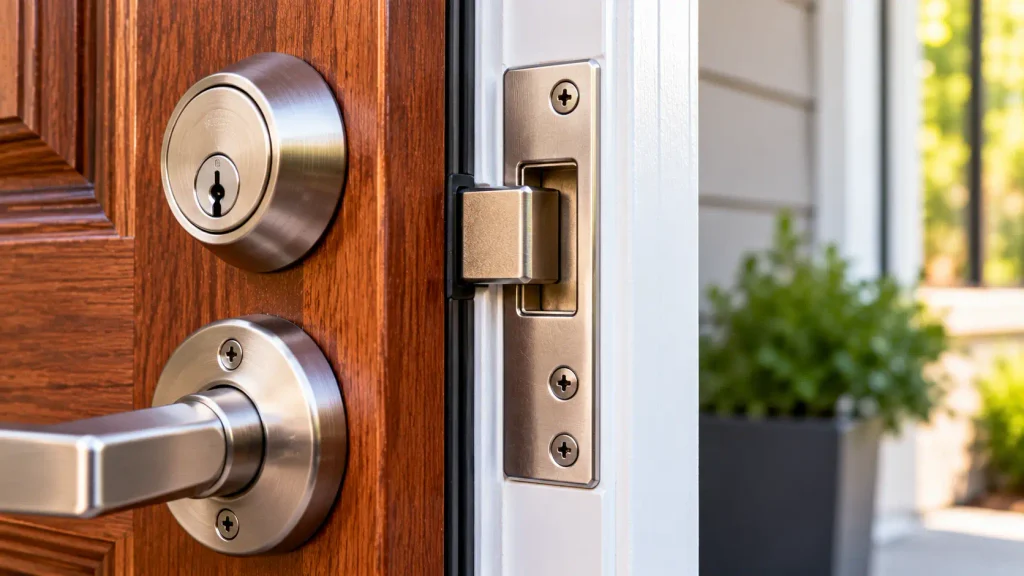
The strike plate is the metal component attached to the frame that receives the lock bolt. Its condition and installation matter.
Check these areas:
- Look for cracks or splitting around the lock.
- Check whether the strike plate is loose.
- Inspect the door frame for rot or other damage.
- Make sure the door closes properly without excessive movement.
- Have damaged frames or inadequate fixings repaired by a qualified professional.
Suitable longer screws or reinforced hardware may improve the connection between the frame and its structural support, depending on the door design and installation.
Do not assume that replacing the lock alone will resolve every weakness in an exterior door.
3. Secure Hinges on Exterior Doors
Door hinges help keep the door aligned and operating correctly. Damaged, loose, or worn hinges can affect both security and everyday usability.
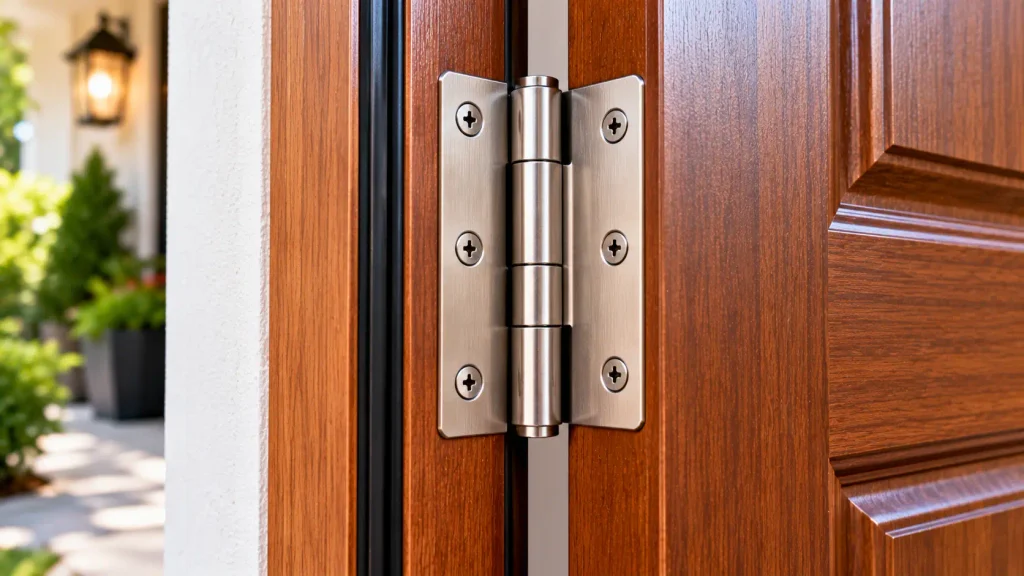
Inspect the hinges on your exterior doors periodically.
Look for:
- Loose screws.
- Rust or visible corrosion.
- Cracked or damaged hinge components.
- A door that sags or rubs against its frame.
- Gaps that have appeared around the door.
Repair or replace faulty hinges with suitable hardware. For doors where hinge security is a concern, ask a qualified locksmith or installer whether security hinges or non-removable hinge pins are appropriate.
The right solution depends on the door’s design, material, and existing hardware.
4. Install Window Locks That Suit Your Windows
Windows come in different styles, including sliding, casement, awning, and double-hung designs. The correct locking device depends on the window type.
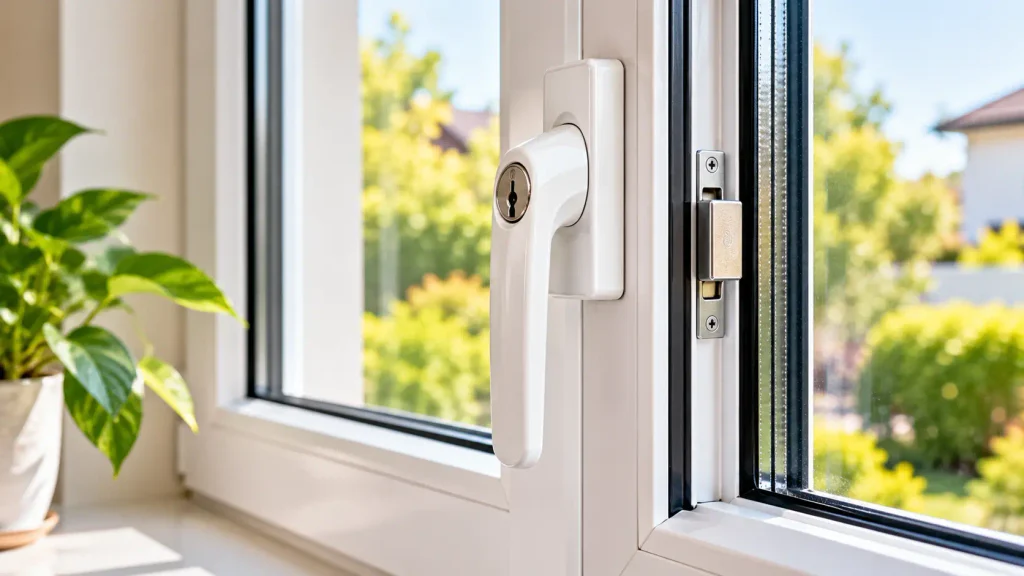
Ways to improve window security:
- Make sure existing latches close and engage properly.
- Replace broken or worn-out window locks.
- Use compatible supplementary locks where appropriate.
- Repair damaged window frames.
- Check that windows cannot be left unintentionally unsecured.
- Have faulty or difficult-to-operate windows inspected.
Choose products designed for your specific window and follow the manufacturer’s installation instructions.
If you have young children, remember that window security must also include fall prevention. Any opening restrictor or window guard should be suitable for the window and must not compromise required emergency escape routes.
5. Improve Sliding Door Security
Sliding patio doors and similar entrances need locks and tracks that are in good working condition.
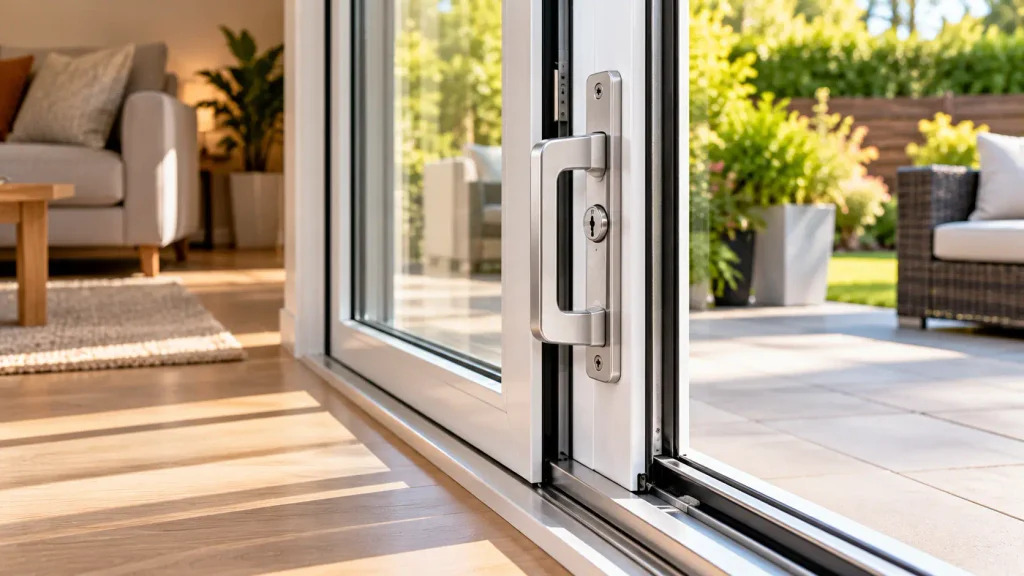
Dirt, worn rollers, damaged tracks, and faulty locking mechanisms can make a sliding door difficult to operate or secure.
Follow these maintenance steps:
- Clean the track to remove dirt and debris.
- Check that the door slides smoothly.
- Inspect the lock and latch for damage.
- Repair worn rollers or damaged track components.
- Use a compatible supplementary security device if recommended for the door.
- Keep the door fully closed and locked when it is not in use.
Avoid improvised security devices that could damage the door or prevent safe emergency exit. Select hardware specifically intended for your door model.
6. Add Motion-Sensor Lighting Near Entrances
Good outdoor lighting helps residents see entrances, steps, paths, and other areas around the property. Motion-sensor lights can also make unexpected movement around an entrance more noticeable.
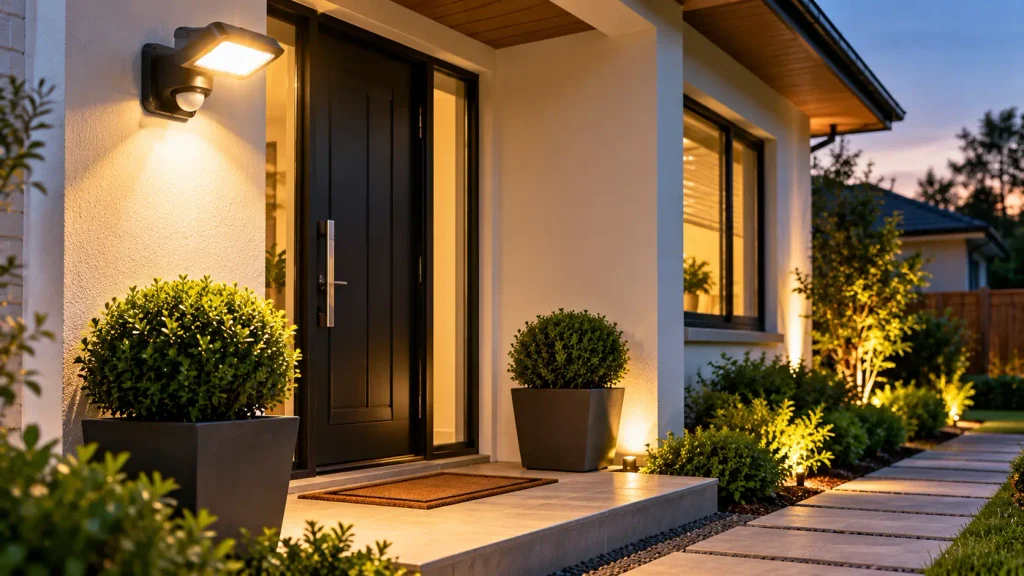
Consider installing suitable lighting near:
- The front door.
- The back door.
- Garage entrances.
- Side passages.
- Patio and balcony access points.
- Dark paths leading to exterior doors.
Choose weather-resistant lights designed for outdoor use. Position them to illuminate important areas without causing glare for residents or neighbours.
If electrical wiring is required, use a qualified electrician. Solar-powered lights may be a convenient option where adequate sunlight is available.
7. Keep Spare Keys and Entry Codes Secure
Leaving a spare key under a doormat, inside a flowerpot, or in another obvious outdoor location can reduce the security of your entrance.
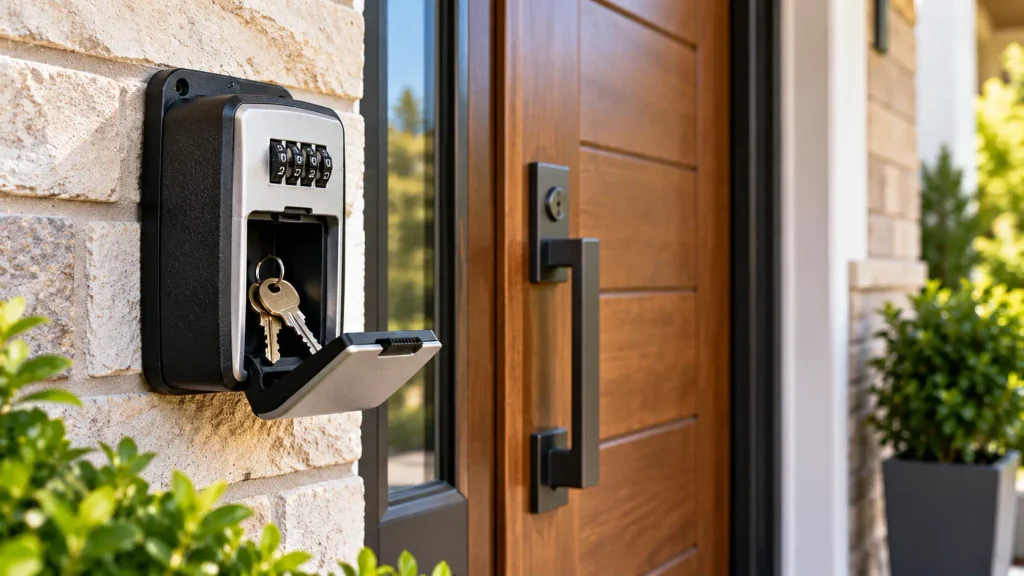
Instead, use a more secure approach to spare-key management.
Good practices include:
- Give a spare key to a trusted person when appropriate.
- Use a secure, properly installed key safe if one is needed.
- Avoid attaching your address to your keys.
- Change access codes when people who no longer need access know them.
- Use unique codes where your lock supports individual users.
- Remove access for former guests or service providers when appropriate.
If you lose a key or believe an unauthorised person has access to it, consider changing or rekeying the affected lock.
8. Keep Entrances Visible and Outdoor Areas Maintained
Overgrown shrubs, untrimmed hedges, and poorly maintained outdoor spaces can reduce visibility around doors and windows.
Regular garden maintenance can improve visibility and make it easier to notice damage or unusual activity.
Try these simple improvements:
- Trim plants that block views of entrances.
- Keep paths clear and in good condition.
- Remove items that obstruct doors and windows.
- Maintain outdoor lights and replace faulty bulbs.
- Keep gates and boundary fences in good repair.
- Store ladders and tools securely when not in use.
Privacy landscaping can still be attractive, but consider balancing privacy with visibility around key entry points.
9. Consider a Doorbell Camera or Home Security Camera
A suitable security camera or video doorbell can help you see activity around an entrance and review recorded footage when the system supports it.
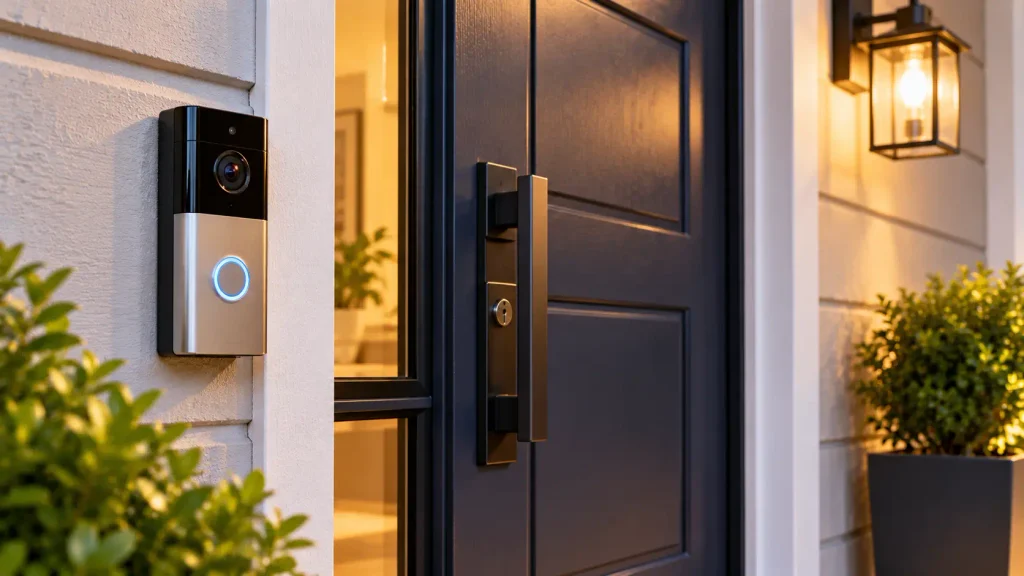
Before choosing a device, consider your property’s layout, internet connection, power supply, storage needs, and privacy requirements.
Things to check before installation:
- Whether the camera captures the intended entrance clearly.
- Whether night-time footage is suitable for the location.
- How recordings are stored and protected.
- Whether the device requires a subscription.
- How account access and passwords are managed.
- Whether camera placement complies with local privacy laws.
Use unique, strong passwords and enable multifactor authentication when available. Keep the device’s software updated.
Cameras can support a wider security plan, but they do not replace good locks, sound doors, or sensible access practices.
10. Inspect Your Doors and Windows Regularly
Home security is not a one-time project. Weather, daily use, and general wear can affect locks, frames, hinges, and window mechanisms.
Make a habit of checking your home’s main entry points.
Your inspection should include:
- Testing exterior door locks.
- Checking handles and hinges.
- Looking for cracks or deterioration around frames.
- Testing window latches.
- Inspecting sliding door tracks.
- Checking outdoor lights.
- Reviewing who has keys or access codes.
- Confirming that doors and windows close securely.
Repair any problems promptly. If a lock jams, a frame moves, or a window cannot be secured, consider arranging a professional inspection rather than relying on a temporary workaround.
Home Security Checklist for Doors and Windows
Use this checklist to review the most important areas of your home.
Front and Back Doors
- Exterior locks work correctly.
- Door frames show no obvious damage.
- Strike plates and hinges are secure.
- Doors close fully and latch properly.
- Spare keys are stored securely.
- Outdoor entrances have suitable lighting.
Windows
- Window locks and latches work properly.
- Frames are free from significant damage.
- Windows close securely.
- Suitable supplementary locks are installed where needed.
- Child safety measures are appropriate where children are present.
- Emergency escape requirements are not obstructed.
Sliding Doors
- Tracks are clean and undamaged.
- Rollers allow smooth operation.
- Locks engage correctly.
- Suitable supplementary security devices are fitted where appropriate.
Outdoor Areas and Technology
- Entrances are adequately lit.
- Plants do not block important views.
- Cameras or video doorbells are configured securely, if installed.
- Access codes are kept private.
- Outdoor tools and ladders are stored securely.
Review this checklist every few months and after any lock, door, or window repair.
Common Home Security Mistakes to Avoid
Even a home with good locks can have avoidable security weaknesses.
1. Relying on one lock alone: Door security also depends on the door, frame, hinges, and installation.
2. Ignoring damaged hardware: A loose handle, faulty latch, or cracked frame should be repaired promptly.
3. Leaving windows unlocked: Close and secure accessible windows when leaving home or going to bed, taking ventilation and emergency escape needs into account.
4. Hiding spare keys outdoors: Obvious hiding places can make unauthorised access easier.
5. Forgetting sliding doors: Patio and balcony doors need regular checks just like other exterior entrances.
6. Using weak passwords for security cameras: Protect connected devices with unique passwords and available security features.
7. Blocking emergency exits: Security devices should never make it impossible to leave the property safely during an emergency.
8. Skipping routine inspections: Locks and frames can deteriorate gradually, so regular checks are important.
Frequently Asked Questions
What is the easiest way to improve home security?
Start by checking your exterior door locks, door frames, window latches, and outdoor lighting. Repair any damaged hardware, keep keys secure, and make sure doors and windows close properly.
Are deadbolts worth installing?
A suitable, correctly installed deadbolt can improve the security of many exterior doors. Its effectiveness depends on the door, frame, lock quality, and installation. Consult a qualified locksmith if you are unsure which type is appropriate.
How can I secure windows without replacing them?
Start by repairing faulty latches and damaged frames. Depending on the window style, compatible supplementary locks or restrictors may be suitable. Make sure any added device does not obstruct required emergency escape or conflict with child safety needs.
Do security cameras prevent break-ins?
Cameras can help monitor entrances and provide recordings, but they cannot guarantee that a break-in will be prevented. They work best as one part of a wider plan that includes secure locks, good lighting, and regular maintenance.
How often should I check my door and window locks?
A quick check every few months is a useful routine. Inspect them sooner if you notice sticking, looseness, damage, or difficulty closing a door or window.
Can I improve home security on a budget?
Yes. Begin with low-cost maintenance, such as repairing faulty latches, tightening loose hardware where appropriate, improving visibility, securing spare keys, and replacing failed bulbs. Prioritise repairs according to the risks you identify.
Final Thoughts
Learning how to improve home security starts with understanding the condition of your doors, windows, locks, and surrounding areas. You do not necessarily need to make every change at once.
Begin by inspecting your main entrances, repairing damaged hardware, checking window locks, improving outdoor lighting, and keeping spare keys secure. Consider additional devices such as cameras or supplementary locks when they suit your needs.
Small, consistent improvements can help create a more secure home. Take a few minutes today to inspect your doors and windows, note any weaknesses, and plan the repairs that matter most.
Trusted Resources
For additional home security advice, consult these established resources:
Local recommendations and building requirements may differ, so check the guidance applicable to your location.
Related Articles
Explore more practical home maintenance and safety guides on Fix The Annoying: