

A kitchen drawer that suddenly refuses to open can be frustrating, especially when you need a cooking utensil, a knife, or another everyday item. Pulling harder may seem like the quickest solution, but excessive force can damage the handle, drawer front, cabinet, or sliding mechanism.
If you are wondering how to fix a kitchen drawer that won’t open, start by identifying what is preventing it from moving. The problem could be overloaded contents, an object trapped behind the drawer, misaligned slides, loose screws, dirt, moisture-swollen wood, or a damaged soft-close mechanism.
Fortunately, some stuck kitchen drawers can be fixed with simple troubleshooting and basic tools. This guide explains how to inspect the problem, try safe solutions, and recognize when professional help is the better option.
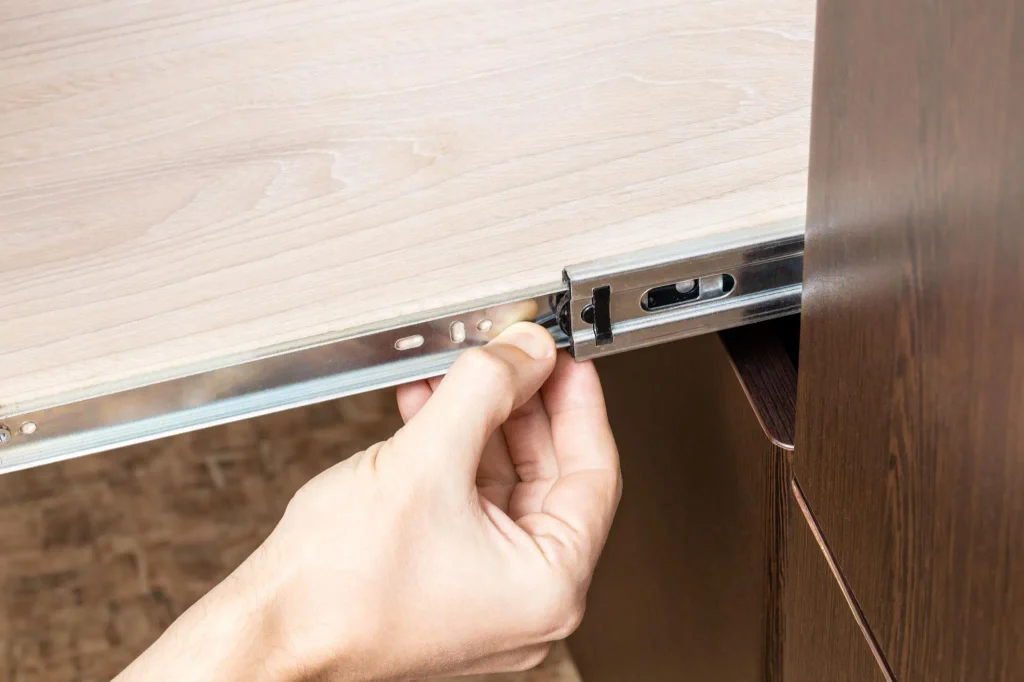
Why Won’t My Kitchen Drawer Open?
Before attempting a repair, consider the most common reasons a kitchen drawer becomes stuck.
- Overloaded contents: Excessive weight can strain the drawer slides and affect movement.
- Jammed objects: Utensils, food packets, or kitchen tools may become trapped behind or beside the drawer.
- Misaligned drawer slides: The runners may be loose, uneven, or incorrectly positioned.
- Loose mounting screws: Screws or brackets can loosen over time.
- Dirt and grease: Crumbs, dust, and sticky residue may interfere with accessible moving parts.
- Swollen wooden components: Moisture and humidity can cause wood to expand.
- Faulty soft-close hardware: A damaged or obstructed mechanism may prevent normal movement.
- Worn or broken tracks: Bent rails, damaged rollers, or worn components can stop a drawer from sliding.
- Loose drawer front: A shifted or unstable front panel may rub against the cabinet.
Different drawer systems use different mechanisms. A traditional wooden drawer, a side-mounted metal slide, and a concealed soft-close runner may require different repairs. Identify the type of hardware before adjusting or removing anything.
How to Fix a Kitchen Drawer That Won’t Open: 10 Easy Fixes
1. Check for Overloaded Drawer Contents
Too many heavy utensils, cookware items, or kitchen gadgets can place extra strain on drawer runners. An overloaded drawer may sag, tilt, or become difficult to move.

Try these steps:
- Stop pulling forcefully on the handle.
- If the drawer opens slightly, remove accessible heavy items first.
- Redistribute heavy cookware or utensils into suitable storage spaces.
- Check whether the drawer moves more freely after reducing the weight.
If the drawer will not open enough to remove anything, do not twist or lift it forcefully. The load capacity depends on the drawer design and hardware, so consult the manufacturer’s specifications if necessary.
2. Look for Objects Blocking the Drawer
Sometimes, the problem is not the drawer mechanism at all. A utensil, food packet, or small kitchen tool may have slipped behind the drawer or become trapped along one side.
To investigate safely:
- Look for any visible gap around the drawer.
- Use a flashlight to inspect accessible openings.
- If you can see and safely reach the obstruction, gently remove it.
- Avoid pushing the object farther inside the cabinet.
Never insert a knife, screwdriver, or other sharp tool blindly into a narrow gap. If the obstruction is inaccessible, ask a cabinet repair professional to help rather than risking damage.
3. Check for Misaligned Drawer Slides
Drawer slides, also called runners, guide the drawer as it opens and closes. If one side becomes loose or misaligned, the drawer may scrape against the cabinet or stop partway.

Look for these warning signs:
- One side of the drawer sits higher than the other.
- The drawer rubs against the cabinet frame.
- The drawer moves unevenly.
- You hear scraping or grinding.
- The drawer repeatedly sticks at the same point.
If the drawer is open enough to access the mounting hardware safely, inspect the visible screws and brackets. Tighten an accessible loose screw carefully with a correctly sized screwdriver.
Do not adjust hidden hardware without understanding how it works. If you cannot reach the mounting points, stop and check the manufacturer’s instructions or seek assistance.
If your drawer problem is accompanied by a misaligned cabinet front, learn how to fix a cabinet door that won’t close properly.
4. Clean Accessible Drawer Slides
Dust, crumbs, grease, and residue can interfere with drawer movement. Cleaning may help when dirt is the cause, although it will not repair bent or broken hardware.

Follow these steps:
- Remove the drawer only if you understand and can safely access its release mechanism.
- Inspect the exposed runners for visible dirt or debris.
- Wipe accessible surfaces with a suitable soft cloth.
- Use a small, soft brush for loose debris that the cloth cannot reach.
- Allow cleaned surfaces to dry completely.
- Follow the manufacturer’s instructions for any lubrication requirements.
Some drawer systems are designed to operate without additional lubricant. Others may have specific maintenance requirements. Do not apply cooking oil or an arbitrary lubricant to every drawer track.
For suitable manufacturer guidance, see Blum’s cleaning and maintenance manual.
5. Tighten Loose Screws and Mounting Hardware
Loose screws can allow a drawer slide or mounting bracket to shift out of position. This may cause rubbing, uneven movement, or a drawer front that no longer sits straight.
If the hardware is accessible:
- Examine the visible mounting screws and brackets.
- Choose a screwdriver that fits the screw head properly.
- Tighten loose screws gently without overtightening.
- Check whether the bracket remains secure.
If a screw spins without tightening, the mounting hole may be stripped or the surrounding cabinet material may be damaged. Avoid forcing a larger screw into the hole without checking that it is appropriate for the hardware and cabinet construction.
Damaged mounting points may need a more substantial repair.
6. Check for Swollen Wooden Drawer Components
Wood can expand when exposed to moisture or high humidity. A wooden drawer that once moved smoothly may begin rubbing against the cabinet after a leak, spill, or prolonged period of damp conditions.
Possible signs include:
- The drawer rubs along its sides or top.
- Movement becomes harder during humid weather.
- Wooden surfaces appear swollen or warped.
- Water stains or damp patches are visible.
First, identify and address the source of moisture. Allow affected surfaces to dry appropriately and check whether the drawer’s movement improves.
Do not immediately sand or plane the wood. Removing material before identifying the cause can create excessive gaps or make the drawer fit poorly once it dries. Significant swelling, warping, or water damage may require a carpenter or cabinet repair professional.
Regular inspections can help you prevent moisture and water damage at home before small problems become more serious.
7. Troubleshoot a Faulty Soft-Close Mechanism
Soft-close drawer hardware slows the drawer as it closes. Some systems also use concealed runners, clips, or other mechanisms that help guide the drawer.
A faulty mechanism may cause the drawer to stop before opening fully, move unevenly, make unusual noises, or behave differently on each side.
To troubleshoot:
- Check for visible obstructions around accessible hardware.
- Inspect the drawer for uneven alignment or loose components.
- Identify the hardware manufacturer or model if possible.
- Consult the correct maintenance and adjustment instructions.
- Stop if the mechanism appears broken or cannot be reached safely.
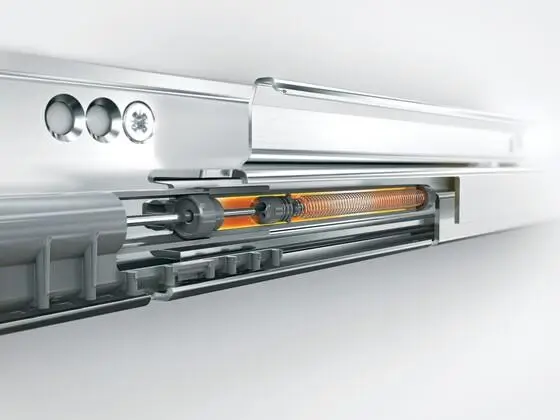
Do not force the drawer through resistance or dismantle spring-loaded components without the correct instructions and skills. A damaged soft-close mechanism may need replacement rather than adjustment.
8. Inspect the Drawer Tracks and Rollers
If the drawer can be removed safely using its intended release method, inspect the tracks and rollers for visible damage.
Look for:
- Bent metal runners.
- Broken plastic clips or rollers.
- Worn or damaged bearings.
- Loose mounting brackets.
- Uneven or damaged slide sections.
Compare both sides of the drawer mechanism. Obvious differences may help you identify the damaged component.
Cleaning or tightening may solve a minor problem, but a bent track or broken roller often requires replacement. Replacement slides must match the drawer’s dimensions, mounting style, load requirements, and opening design. Not all drawer runners are interchangeable.
If the cabinet material is cracked or the hardware is severely damaged, professional repair may be necessary.
9. Remove the Drawer Safely if It Can Be Released
Removing a drawer can make cleaning and inspection easier, but the correct procedure depends on its design.
Some drawers use release levers or clips beneath the front corners. Others use side-mounted runners or a different removal system.
Before starting:
- Check the cabinet or drawer manufacturer’s instructions.
- Remove accessible contents to reduce the weight.
- Extend the drawer only as far as it moves without excessive force.
- Locate the release mechanism if it is visible and accessible.
- Support the drawer’s weight before releasing it.
- Keep your fingers away from pinch points.
- Ask another person for help if the drawer is heavy or awkward to hold.
If the release clips are hidden, jammed, or unfamiliar, do not yank the drawer or pry it out with a crowbar. Stop if you cannot support it safely.
For a compatible Blum drawer system, the manufacturer’s official downloads and video guides provide model-specific installation, removal, and adjustment information.
10. Know When to Repair or Replace the Drawer Hardware
Once you identify the problem, decide whether basic maintenance is enough.
Cleaning may help when dirt is obstructing accessible components. Tightening may correct a loose mounting bracket. Minor alignment problems may be adjustable when the correct mechanism and instructions are available.
Replacement may be necessary when the slides are bent, rollers are broken, bearings are worn, or a soft-close mechanism is damaged beyond a safe adjustment.
Before buying replacement hardware, check the existing slide’s length, mounting style, required clearances, load rating, and opening function. Measure carefully and confirm compatibility with the cabinet and drawer.

If the cabinet frame, screw mounting points, or drawer front is damaged, repairing the underlying structure may be necessary before fitting new slides.
Tools You May Need to Fix a Stuck Kitchen Drawer
Depending on the problem, useful tools and supplies may include:
- Flashlight: To inspect visible gaps and accessible hardware.
- Suitable screwdriver: To tighten compatible mounting screws.
- Soft cleaning cloth: To wipe accessible surfaces.
- Small soft brush: To remove loose crumbs and dust.
- Measuring tape: To check replacement slide dimensions.
- Manufacturer-approved lubricant: Only if the hardware instructions recommend it.
- Replacement screws or drawer hardware: When inspection confirms that a component needs replacing.
You will not need every tool for every repair. Avoid using sharp tools or power tools to gain blind access to a jammed drawer.
Common Mistakes to Avoid
Avoid these common mistakes when repairing a stuck kitchen drawer:
- Pulling the handle too hard: Stop when resistance increases and investigate the cause.
- Prying with sharp tools: Inspect visible gaps with a flashlight instead.
- Forcing soft-close hardware: Follow the correct manufacturer’s troubleshooting instructions.
- Using unsuitable lubricants: Check the hardware’s maintenance recommendations first.
- Overtightening screws: Tighten gently and inspect damaged mounting holes.
- Sanding swollen wood immediately: Identify and address moisture before considering material removal.
- Installing incompatible slides: Match the dimensions, mounting style, and load requirements.
- Removing a heavy drawer without support: Reduce the load where possible and support the drawer securely.
- Ignoring cabinet damage: Repair loose or damaged mounting points before reinstalling hardware.
- Continuing when the drawer remains jammed: Stop and seek professional help if safe troubleshooting does not work.
When Should You Call a Professional?
Basic troubleshooting is reasonable when you can inspect the drawer safely and understand the accessible hardware. Professional help is a better choice when:
- The drawer cannot be opened without excessive force.
- A heavy drawer cannot be supported safely.
- The slides are severely bent or broken.
- The cabinet frame or mounting points are damaged.
- The drawer front is detached or unstable.
- A soft-close mechanism is damaged and inaccessible.
- Previous adjustments have made the problem worse.
- The drawer remains stuck after basic checks.
A qualified carpenter or cabinet repair professional can inspect concealed hardware, repair damaged mounting points, and determine whether the drawer or its components need replacement.
If you rent your home, check with your landlord or property manager before making permanent cabinet modifications.
How to Prevent Kitchen Drawers from Getting Stuck Again
Regular care can reduce common drawer problems, although it cannot prevent every mechanical failure.
Follow these practical maintenance tips:
- Avoid overloading drawers.
- Store heavy cookware in suitable cabinets or drawers.
- Keep crumbs and grease away from accessible slide surfaces.
- Inspect accessible mounting screws periodically.
- Clean drawer hardware according to the manufacturer’s instructions.
- Address leaks and moisture problems promptly.
- Avoid slamming drawers shut.
- Investigate unusual noises or uneven movement early.
- Check soft-close mechanisms for changes in performance.
- Follow the recommended maintenance schedule for your drawer hardware.
These simple habits can help you spot developing problems before they cause more extensive damage.
Keeping food preparation areas clean is easier when you follow these practical tips to keep your kitchen clean and organized.
Frequently Asked Questions About Stuck Kitchen Drawers
1. Why is my kitchen drawer stuck and won’t open?
Common causes include overloaded contents, objects trapped behind the drawer, misaligned slides, loose screws, swollen wood, or damaged hardware. Inspect accessible areas first and avoid pulling forcefully.
2. How do I open a jammed kitchen drawer without damaging it?
Check for visible obstructions with a flashlight and remove accessible heavy items if the drawer opens slightly. Do not pry blindly or force the drawer against resistance. Seek help if the obstruction cannot be reached safely.
3. Can an overloaded drawer cause it to get stuck?
Yes. Excessive weight can strain the runners and contribute to sagging or misalignment. The safe load depends on the drawer and its hardware.
4. How do I fix misaligned kitchen drawer slides?
Inspect accessible mounting screws and brackets, then follow the manufacturer’s adjustment instructions for the specific slide system. Do not attempt blind adjustments when the hardware cannot be reached.
5. Should I lubricate kitchen drawer tracks?
Only if the hardware manufacturer recommends it. Some systems do not require additional lubricant, and unsuitable products may attract dirt or affect components.
6. How do I remove a kitchen drawer with hidden release clips?
Consult the manufacturer’s instructions to identify the correct release points. Support the drawer before releasing it, and stop if the clips are inaccessible or unfamiliar.
7. Can humidity make a wooden kitchen drawer stick?
Yes. Moisture and humidity can cause wood to expand. Address the moisture source and allow the affected area to dry before considering further repairs.
8. How do I fix a drawer with a soft-close mechanism?
Check for visible obstructions, loose accessible hardware, and alignment problems. Use the correct model-specific instructions. Replace damaged components when adjustment is not appropriate.
9. When should I replace kitchen drawer slides?
Consider replacement when slides are bent, rollers are broken, bearings are worn, or recurring problems cannot be resolved through appropriate maintenance. Confirm that replacement hardware is compatible.
10. When should I call a carpenter to fix a stuck drawer?
Call a carpenter when the drawer cannot be opened safely, the cabinet structure is damaged, hardware is inaccessible or broken, or basic troubleshooting has not resolved the problem.
Conclusion
Learning how to fix a kitchen drawer that won’t open starts with identifying the cause rather than pulling harder. Check for overloaded contents and visible obstructions, inspect accessible slides and mounting screws, and follow the correct maintenance instructions for your drawer system.
Cleaning, tightening, or a suitable adjustment may resolve some problems. Bent tracks, broken mechanisms, swollen wood, and damaged cabinet structures may require replacement parts or professional repair.
The safest approach is to work slowly, avoid excessive force, and stop whenever the drawer cannot be inspected or supported safely.
For more practical solutions to everyday kitchen and home problems, explore the helpful guides on Fix The Annoying.