

White clothes look fresh, clean, and stylish, but keeping them bright can be surprisingly difficult. Over time, white shirts, T-shirts, towels, bedsheets, and other garments may develop yellow patches, grey discoloration, or a dull appearance.
One common reason is the buildup of sweat, body oils, deodorant, and detergent residue. Hard water minerals, unsuitable washing temperatures, improper stain treatment, and poor storage habits can also affect the appearance of white fabrics.
The good news is that you do not need to use strong bleach every time you wash white clothes.
Learning how to wash white clothes without turning them yellow starts with proper laundry sorting, the correct amount of detergent, suitable water temperatures, and safe stain-removal methods.
In this guide, you will learn how to wash white clothes properly, remove yellow stains, choose suitable whitening products, and keep your favourite white garments looking fresh for longer.
Why Do White Clothes Turn Yellow After Washing?
White clothes can turn yellow for several reasons. Sometimes the problem develops gradually, while in other cases, yellow marks appear after a single wash.
Understanding the cause helps you choose the right cleaning method.
1. Sweat and Body Oil Buildup
Sweat contains substances that can combine with natural body oils and become trapped in fabric fibres.
Over time, these deposits can create yellow stains around:
- Underarms.
- Shirt collars.
- Necklines.
- Sleeves.
- Cuffs.
Regular washing with an appropriate detergent and prompt stain treatment can help prevent this buildup.
2. Deodorant and Antiperspirant Residue
Some deodorants and antiperspirants leave residues that accumulate on clothing.
When these residues combine with sweat and body oils, they can create stubborn yellow or stiff patches, especially under the arms.
Allow deodorant to dry before dressing and treat visible buildup before washing.
3. Using Too Much Laundry Detergent
Adding extra detergent does not necessarily make clothes cleaner.
Excess detergent may not rinse away properly, especially when the washing machine is overloaded or the water level is unsuitable.
Residue can collect on clothing and contribute to dullness or an unpleasant texture.
Always follow the detergent manufacturer’s dosage recommendations.
4. Hard Water Minerals
Hard water contains dissolved minerals such as calcium and magnesium. These minerals can interfere with cleaning and contribute to deposits on fabrics and inside washing machines.
Hard water minerals can also affect laundry performance and contribute to unwanted deposits, so understanding your water quality may help when troubleshooting recurring laundry problems.
In some water supplies, iron and manganese can also cause yellow or brown staining.
If white clothes repeatedly develop unexplained discoloration, consider whether your household water supply may be contributing to the problem.
5. Washing Machine Residue
Detergent drawers, rubber seals, filters, and washing machine drums can accumulate detergent residue, lint, and other deposits.
A poorly maintained machine may leave unwanted residue on freshly washed clothes.
Clean your washing machine according to its manufacturer’s maintenance instructions.
6. Washing White Clothes with Coloured Garments
Dark or brightly coloured clothing can release dye during washing.
This dye may transfer onto white garments, making them look grey, dull, or discoloured.
Always separate whites from coloured and dark laundry.
7. Incorrect Water Temperature
Water that is too hot can damage delicate fibres, affect some finishes, or cause certain stains to become more difficult to remove.
Cold water may also be less effective for heavily soiled garments in some situations.
Choose the warmest temperature allowed by the garment care label and detergent instructions.
8. Fabric Ageing and Oxidation
Some fabrics naturally become discoloured as they age.
Exposure to air, sunlight, body oils, chemicals, and repeated washing can gradually change their original appearance.
Unfortunately, permanent fabric discolouration cannot always be reversed.
9. Improper Drying and Storage
Storing clothes while they are damp can encourage musty smells and other problems.
Dust, moisture, contact with unsuitable materials, and prolonged storage can also affect white garments.
Always dry clothes completely before putting them away.
10. Unsuitable Whitening Products
Using the wrong bleach or applying concentrated cleaning products directly to fabric can cause yellowing, uneven colour changes, or permanent damage.
A garment being white does not automatically mean it is safe for chlorine bleach.
How to Prepare White Clothes Before Washing
Good preparation makes a significant difference to laundry results.
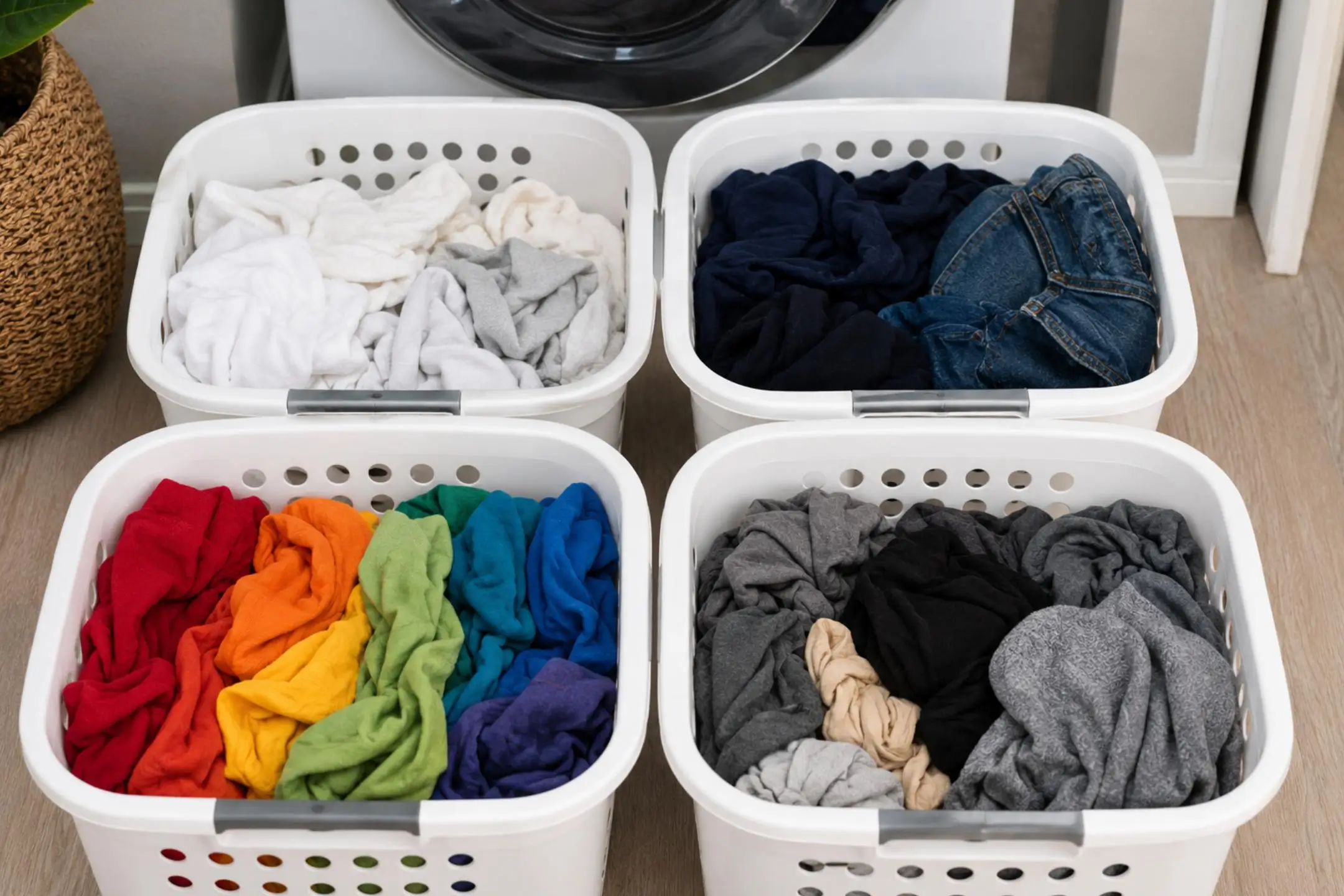
Before putting white clothes into the washing machine, follow these steps.
Separate White Clothes Properly
Create separate laundry piles for:
- Pure white clothing.
- White clothes with coloured patterns.
- Light-coloured garments.
- Dark and brightly coloured clothing.
- Delicate white fabrics.
- Heavily soiled white garments.
Do not automatically include white garments with coloured prints in a load of pure whites. Check whether their dyes are colourfast.
Check Fabric Care Labels
Read the washing instructions before selecting a cleaning method.
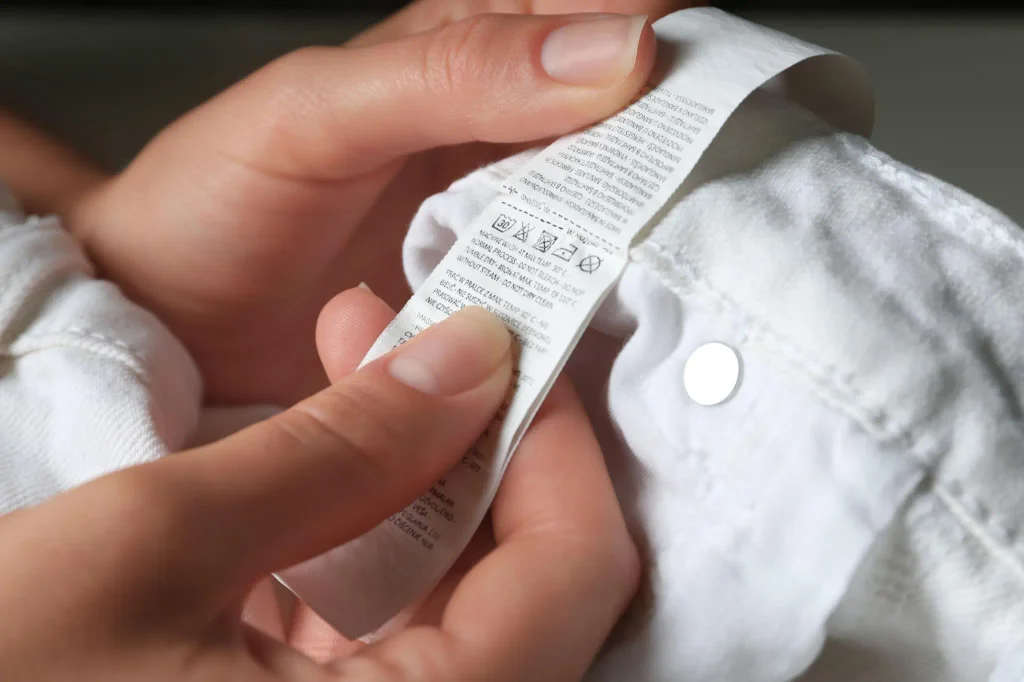
Look for symbols indicating:
- Maximum washing temperature.
- Machine washing or hand washing.
- Bleaching restrictions.
- Tumble drying instructions.
- Ironing temperature.
- Professional cleaning requirements.
These instructions are particularly important for silk, wool, linen, and synthetic fabrics.
Empty Pockets and Check Garments
Remove tissues, paper, coins, and other objects from pockets.
Close zippers and fasteners where appropriate, and turn printed garments inside out when recommended.
Inspect Stains Before Washing
Check collars, cuffs, underarms, and other frequently worn areas.
Treat visible sweat, food, grease, and deodorant stains before starting the wash cycle.
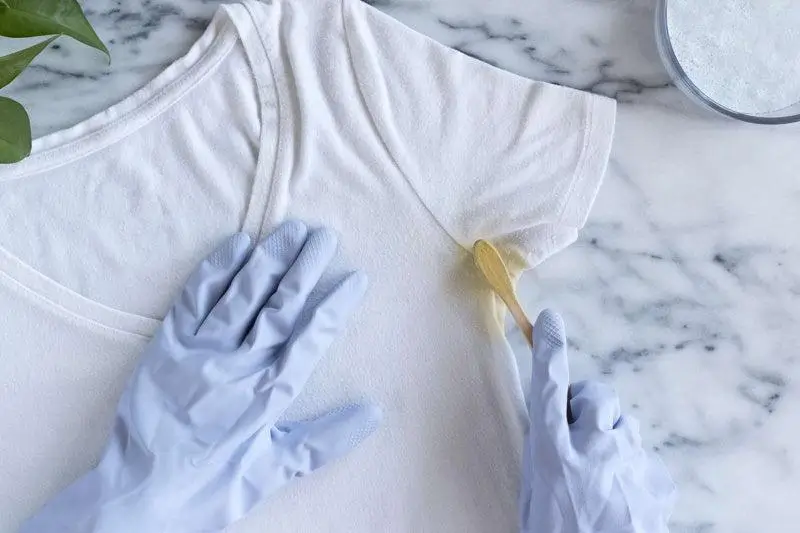
Avoid rubbing delicate materials aggressively.
Choose the Right Laundry Detergent for White Clothes
Selecting the correct detergent is an important part of keeping white clothes clean.
The best detergent depends on fabric type, soil level, water hardness, and washing machine requirements.
Regular Laundry Detergent
A good-quality laundry detergent can remove everyday dirt, sweat, and body oils.
Use the amount recommended for your load size and water conditions.
Avoid adding extra detergent simply because the clothes look dirty.
For better laundry results, follow proper sorting practices, use the correct detergent amount, and select suitable washing cycles. Read the American Cleaning Institute’s laundry basics guide for additional guidance.
Detergent for White Clothes
Some detergents contain ingredients designed to improve the appearance of white fabrics.
Depending on the formulation, these may include optical brighteners, enzymes, or other cleaning ingredients.
Optical brighteners make fabric appear brighter by changing how it reflects light. They do not physically remove every stain or reverse permanent yellowing.
Always check product labels for fabric compatibility.
Liquid vs Powder Detergent
| Detergent type | General benefits | Considerations |
|---|---|---|
| Liquid detergent | Convenient for greasy stains and pre-treatment | Measure carefully |
| Powder detergent | Useful for general laundry and some heavily soiled loads | May leave residue if not dissolved properly |
| Concentrated detergent | Requires less product per load | Follow the smaller recommended dosage |
| Detergent pods | Convenient pre-measured portions | Not suitable for every load size or washing method |
Practical tip: If you regularly notice detergent marks on your white clothes, check the dosage, machine loading, and rinsing performance before changing products.
What Is the Best Water Temperature for Washing White Clothes?
There is no single temperature that is suitable for every white garment.
The right temperature depends on the fabric, stain type, detergent, and garment care instructions.
| Water temperature | Suitable situations | Important considerations |
|---|---|---|
| Cold water | Lightly soiled garments and delicate fabrics | Helps reduce the risk of heat-related damage |
| Warm water | Many everyday cotton and synthetic garments | Can help remove body oils and general soil |
| Hot water | Certain durable, heavily soiled washable items | Use only when the care label permits it |
When Should You Use Cold Water?
Cold water is useful for many everyday laundry loads.
It can help reduce energy consumption and is generally suitable for many delicate or colour-sensitive garments.
It is also a sensible starting point for stains such as fresh blood, which should not initially be treated with hot water.
When Should You Use Warm Water?
Warm water can improve cleaning for some garments, particularly when removing body oils and everyday dirt.
Check the care label first, especially for synthetic fabrics and blended materials.
When Should You Use Hot Water?
Hot water may be suitable for some durable cotton items, towels, and bedsheets.
However, it is not appropriate for every fabric.
Avoid assuming that hotter water always produces better cleaning results.
How to Wash White Clothes Without Turning Them Yellow – Step-by-Step Method
Follow this simple process to wash white clothes correctly.
Step 1. Separate White Clothes Properly
Separate pure white garments from dark, coloured, and brightly patterned clothing.
Also separate delicate fabrics from everyday washable items.
This reduces the risk of dye transfer and allows you to select suitable washing settings.
Step 2. Check Fabric Care Labels
Read the garment’s washing and bleaching instructions.
Do not use chlorine bleach on garments that prohibit it.
If the label is unclear, choose a gentler cleaning method or seek professional advice.
Step 3. Inspect and Pre-Treat Stains
Inspect the underarms, collar, cuffs, and other stained areas.
For light stains, apply a small amount of suitable liquid laundry detergent.
For tougher stains, use a fabric-compatible prewash stain remover.
Follow the product’s instructions and test an inconspicuous area when necessary.
Step 4. Add the Correct Amount of Detergent
Measure detergent according to the manufacturer’s instructions.
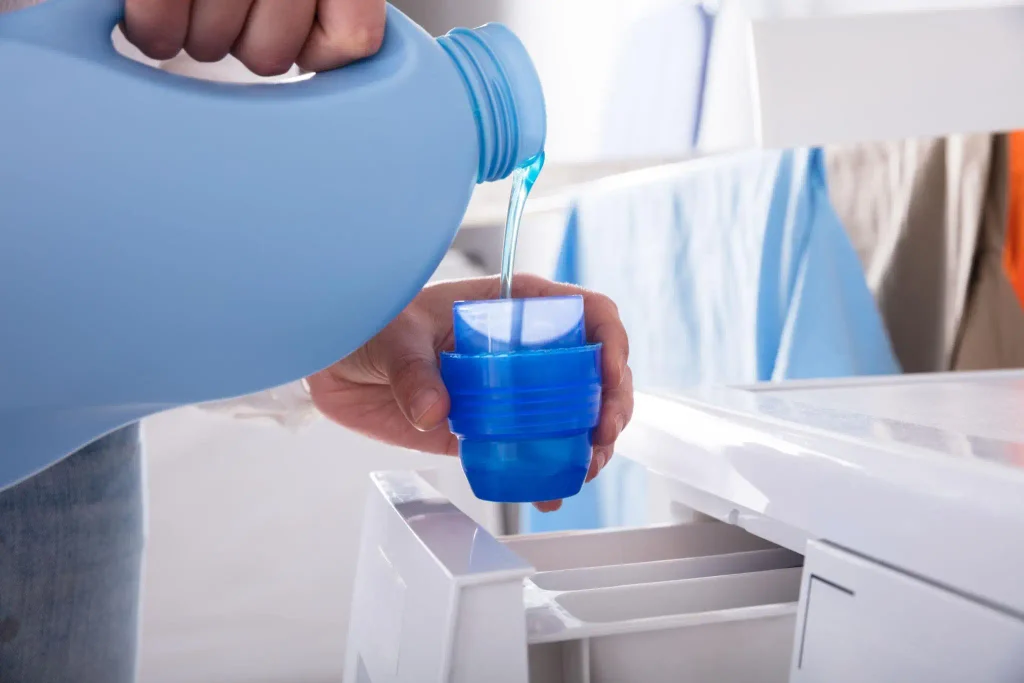
Consider the laundry load size, soil level, water hardness, and machine type.
Using too much detergent can create residue rather than improve cleaning.
Step 5. Select the Appropriate Water Temperature
Choose cold, warm, or hot water based on the garment care label.
For many everyday washable garments, warm water may be suitable, but always follow fabric-specific instructions.
Step 6. Choose the Correct Washing Machine Cycle
Select a cycle that matches the fabric and soil level.
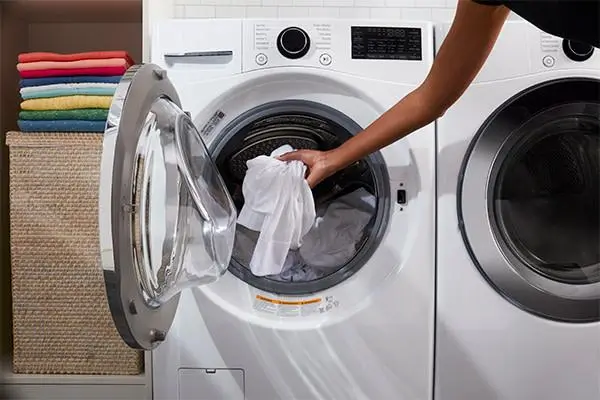
- Normal cycle: Suitable for many everyday cotton garments.
- Gentle cycle: Suitable for delicate or loosely woven fabrics when machine washing is permitted.
- Permanent press cycle: May suit certain synthetic and blended fabrics.
- Heavy-duty cycle: Useful for some durable, heavily soiled garments.
Check your washing machine manual for cycle recommendations.
Step 7. Avoid Overloading the Washing Machine
Do not fill the drum so tightly that clothes cannot move freely.
Overloading can interfere with cleaning and rinsing.
Wash smaller loads when dealing with heavily soiled white garments.
Step 8. Use an Additional Rinse When Necessary
An additional rinse may help remove detergent residue.
This can be useful if your clothes feel soapy or your washing machine regularly leaves visible detergent marks.
Check whether your machine offers an extra-rinse option.
Step 9. Remove Clothes Promptly After Washing
Take clothes out of the machine soon after the cycle finishes.
Leaving damp garments inside for extended periods can encourage unpleasant odours.
Shake garments gently before drying to reduce creases.
Step 10. Dry White Clothes Properly
Follow the drying instructions on the garment label.
You can air-dry suitable white clothes outdoors or indoors in a well-ventilated space.
If using a tumble dryer, choose the recommended temperature.
Avoid excessive heat, which can damage certain fabrics and make some remaining stains harder to remove.
How to Remove Yellow Stains from White Clothes
Yellow stains are particularly common around shirt collars, underarms, and areas that regularly come into contact with skin.
The best treatment depends on the source of the stain.
Different stains require different treatments, so identifying the stain before choosing a cleaning method is important. Consult this clothing stain removal guide for additional advice.
How to Remove Yellow Underarm Stains
Underarm stains often develop from a combination of sweat, body oils, and deodorant residue.
Try the following method:
- Check the garment care label.
- Apply a suitable liquid laundry detergent or prewash stain remover.
- Gently work the product into the stained area without damaging the fabric.
- Allow it to sit for the time specified on the product label.
- Wash using the warmest temperature permitted by the care label.
- Inspect the garment before drying.
For persistent stains, a compatible oxygen-based laundry bleach may help.
How to Remove Yellow Collar Stains
Collar stains often contain body oils, sweat, skin products, and everyday dirt.
To treat them:
- Apply liquid laundry detergent to the collar.
- Gently spread it over the affected area.
- Allow the detergent to work according to its instructions.
- Wash the garment using a suitable cycle.
- Check the result before machine drying.
How to Remove Old Yellow Stains
Old stains can be difficult to remove because they may have penetrated deeply into fabric fibres.
A suitable enzyme-containing detergent or fabric-compatible oxygen bleach may help.
Follow the product’s soaking and washing instructions.
Do not repeatedly scrub or apply stronger chemicals if the fabric starts becoming weak or damaged.
How to Remove Yellow Storage Marks
If a white garment develops yellow marks after months in storage, first inspect the fabric for signs of damage.
Wash it using an appropriate detergent and the recommended care-label settings.
If the discoloration remains, consider a suitable stain-removal product or professional textile cleaning.
Some storage-related discoloration may be permanent.
Safe Whitening Methods for White Clothes
You do not need to use chlorine bleach every time your white clothes look dull.
Different whitening methods have different purposes and limitations.
Oxygen-Based Bleach
Oxygen bleach is commonly used as a laundry booster for suitable washable fabrics.
It may help remove certain stains and improve the appearance of dull white garments.
How to use it:
- Check the garment care label.
- Read the oxygen bleach product instructions.
- Measure the recommended quantity.
- Add it as directed by the product and washing machine manufacturer.
- Use the recommended soaking or washing time.
- Rinse and dry the garment appropriately.
Do not assume every oxygen bleach product is suitable for every delicate fabric.
Chlorine Bleach
Chlorine bleach is a stronger whitening and disinfecting product for compatible fabrics.
It may be suitable for some durable white cotton garments.
However, it can damage or discolour wool, silk, spandex, and other incompatible materials.
Always check both the garment label and bleach label.
Never pour concentrated chlorine bleach directly onto clothing.
Before using laundry bleach, always check fabric compatibility and follow the manufacturer’s instructions. Learn more about using bleach safely in laundry.
Baking Soda
Baking soda is sometimes used as a laundry booster.
It may help with certain laundry situations, but it is not a universal whitening solution.
It cannot reliably reverse permanent fabric discolouration or replace a suitable laundry detergent.
Use it only when appropriate for the garment and washing method.
White Vinegar
White vinegar is sometimes used in household cleaning and laundry routines.
However, it should not be considered a guaranteed whitening treatment.
Its suitability depends on the fabric, appliance instructions, and product compatibility.
Important: Never mix white vinegar with chlorine bleach. This can release dangerous chlorine gas.
Sunlight and Air Drying
Air drying can help clothes dry naturally without using a tumble dryer.
Some people also find that sunlight helps improve the appearance of certain stains.
However, prolonged direct sunlight can weaken or fade some fabrics.
Choose a suitable drying location and follow the garment care label.
How to Wash Different Types of White Fabrics
Not all white garments should be washed in the same way.
Use this comparison guide to select a suitable washing method.
| Fabric type | Washing approach | Important precautions | Drying |
|---|---|---|---|
| Cotton | Normal cycle if permitted | Avoid unsuitable bleach and excessive heat | Air or machine dry as labelled |
| Polyester | Suitable synthetic or permanent press cycle | Avoid excessive heat | Low heat or air dry |
| Linen | Gentle or normal cycle depending on label | Avoid harsh treatment and excessive agitation | Air dry when suitable |
| Synthetic blends | Fabric-compatible cycle | Check fibre composition and heat limits | Follow label |
| Delicate fabrics | Hand wash or delicate cycle if permitted | Avoid chlorine bleach and aggressive scrubbing | Flat or air dry as labelled |
| Towels and bedsheets | Normal cycle when permitted | Avoid overloading and excessive detergent | Air or tumble dry as labelled |
White Cotton Clothes
Cotton is commonly used for T-shirts, shirts, towels, and bedsheets.
Many cotton garments can tolerate regular machine washing.
However, check the care label before using hot water or chlorine bleach.
White Polyester Clothes
Polyester is a synthetic fabric that can hold onto body oils.
Use a suitable detergent and the washing temperature recommended by the garment manufacturer.
Avoid excessive heat.
White Linen Clothes
Linen is a natural fabric that can wrinkle and may require gentler handling.
Use a suitable washing cycle and avoid harsh cleaning products unless the label permits them.
White Synthetic Fabrics
Synthetic blends may contain polyester, nylon, elastane, or other fibres.
Their washing requirements vary, so check the fibre composition and care instructions.
White Delicate Garments
Silk, wool, and delicate blends require particular care.
Use a suitable detergent and hand-washing or professional cleaning when recommended.
Do not use chlorine bleach on these materials.
White Towels and Bedsheets
Wash towels and bedsheets separately from heavily lint-producing or colour-releasing items.
Use a suitable cycle and detergent quantity.
Avoid overloading the washing machine to ensure effective cleaning and rinsing.
Common Laundry Mistakes That Make White Clothes Yellow
Avoid these common mistakes when washing white clothes:
- Mixing whites with coloured clothing: Increases the risk of dye transfer.
- Using too much detergent: Can leave unwanted residue.
- Using unsuitable bleach: May damage fibres or cause discolouration.
- Ignoring care labels: Can lead to shrinkage and fabric damage.
- Overloading the washing machine: Reduces effective cleaning and rinsing.
- Using excessive heat: Can damage heat-sensitive materials.
- Leaving wet clothes in the machine: May cause unpleasant odours.
- Ignoring washing machine maintenance: Allows residue to accumulate.
- Leaving sweat stains untreated: Makes future stain removal more difficult.
- Storing damp garments: Can contribute to musty smells and fabric problems.
- Mixing incompatible cleaning chemicals: Can create dangerous reactions.
- Aggressively scrubbing delicate fabrics: May weaken fibres.
Important Laundry Safety Warning
For additional information about the dangers of mixing household cleaning chemicals, read the safety guidance provided by Poison Control.
Never mix chlorine bleach with vinegar, ammonia, acidic cleaners, toilet cleaners, or other cleaning products.
These combinations can release toxic gases. Use laundry products separately and always follow their labels. Keep chemicals away from children and work in a well-ventilated area.
How Often Should You Wash and Maintain White Clothes?
A simple maintenance routine can help prevent yellowing and detergent buildup.
After Every Wear
- Check for sweat, deodorant, and food stains.
- Wash heavily soiled garments according to their care labels.
- Avoid leaving damp or sweaty clothing in a closed laundry basket for extended periods.
- Allow garments to dry before storing them if they are not being washed immediately.
Weekly Laundry Maintenance
- Separate white laundry from coloured clothing.
- Check detergent measurements.
- Inspect frequently worn shirts and T-shirts.
- Remove visible lint and residue from accessible machine areas.
Monthly Laundry Maintenance
- Clean the washing machine according to its manufacturer’s instructions.
- Inspect the detergent drawer and door seals.
- Check the machine filter if your model has a user-accessible filter.
- Inspect stored white clothing for moisture or discoloration.
Laundry frequency depends on how often garments are worn, their fabric, and how heavily they are soiled.
How to Keep White Clothes Bright for Longer
Follow these practical habits to maintain the appearance of white clothing.
- Wash pure whites separately.
- Use an appropriate laundry detergent.
- Measure detergent correctly.
- Treat sweat stains promptly.
- Avoid unnecessary fabric softener.
- Select the correct washing temperature.
- Clean your washing machine regularly.
- Avoid overloading the washer.
- Remove clothes promptly after washing.
- Dry garments completely.
- Store clothes in a clean, dry place.
- Follow garment care instructions.

Prevention is usually easier than trying to remove old yellow stains after they have become deeply embedded in fabric.
When Should You Stop Trying to Remove Yellow Stains?
Not every yellow mark can be removed.
Sometimes the problem is not a surface stain but permanent fabric damage.
Consider stopping DIY treatment when:
- The fabric has become thin or weak.
- The garment has been damaged by unsuitable bleach.
- Yellowing remains after appropriate treatment.
- The original fabric colour has permanently changed.
- The garment contains delicate fibres requiring specialist care.
- Repeated washing or soaking is making the fabric worse.
Professional textile cleaning may be a better option for expensive garments, delicate clothing, and valuable fabrics.
Avoid aggressive treatment simply to achieve a brighter appearance.
Frequently Asked Questions About Washing White Clothes
1. Why do white clothes turn yellow after washing?
White clothes may turn yellow because of sweat, body oils, deodorant residue, detergent buildup, hard water minerals, unsuitable bleach, or fabric ageing.
Body soil buildup, detergent residue, unsuitable washing temperatures, and water minerals can contribute to laundry problems. Explore this laundry troubleshooting guide for additional information.
2. How do I wash white clothes without turning them yellow?
Separate white garments, use a suitable detergent, treat stains before washing, select the correct water temperature, avoid overloading the machine, and dry clothes properly.
3. What is the best detergent for white clothes?
A good-quality detergent suitable for the fabric and washing machine is a sensible choice. Follow the recommended dosage and choose a formulation appropriate for the type of stains and water conditions.
4. Should white clothes be washed in hot or cold water?
It depends on the fabric. Cold water suits many delicate garments, while warm or hot water may be suitable for some durable fabrics. Always follow the care label.
5. How do I remove yellow sweat stains from white shirts?
Apply a suitable liquid laundry detergent or prewash stain remover, allow it to work according to its instructions, and wash the shirt at the warmest temperature permitted by its care label.
6. Can baking soda make white clothes brighter?
Baking soda may be used as a laundry booster in certain situations, but it is not a guaranteed whitening treatment. It cannot reverse permanent fabric damage.
7. Is white vinegar safe for washing white clothes?
White vinegar is not suitable for every fabric or washing machine. Follow manufacturer instructions and never mix it with chlorine bleach.
8. Can I use bleach on all white clothes?
No. Some white fabrics, including wool, silk, and spandex, can be damaged by chlorine bleach. Check the garment label before using any bleach.
9. Why do white clothes turn yellow in storage?
Body oils, detergent residue, moisture, oxidation, and storage conditions can contribute to yellowing. Wash and completely dry garments before storing them.
10. How do I remove yellow stains from old white clothes?
Try a suitable prewash stain remover or fabric-compatible oxygen bleach according to its instructions. Some old stains may be permanent.
11. How often should I wash white clothes?
Wash garments according to their use, soil level, fabric type, and care instructions. Clothing worn directly against the skin often needs washing after each wear.
12. How do I keep white clothes bright without bleach?
Separate whites, use an appropriate detergent, remove stains promptly, maintain your washing machine, rinse properly, and store garments completely dry.
Conclusion
Keeping white clothes clean and bright does not require aggressive cleaning products or excessive detergent.
The best approach is to follow a consistent laundry routine that includes proper sorting, suitable detergent selection, correct water temperature, timely stain treatment, effective rinsing, and appropriate drying.
Pay special attention to sweat stains, deodorant buildup, and detergent residue because these can gradually affect the appearance of white garments.
Most importantly, always follow fabric care labels and cleaning product instructions.
Learning how to wash white clothes without turning them yellow can help you maintain your favourite white shirts, T-shirts, towels, bedsheets, and other garments for longer.
For more practical cleaning advice and everyday household solutions, explore the helpful guides on Fix The Annoying.