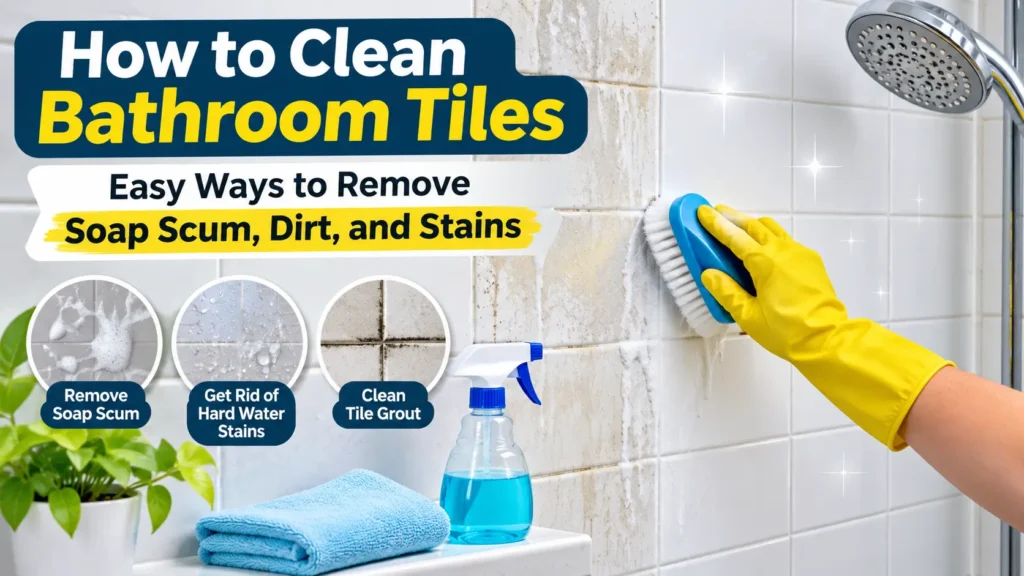
Bathroom tiles can gradually lose their shine because of soap scum, hard water deposits, dirt, mildew, and everyday moisture. Even when you clean your bathroom regularly, stubborn stains can build up around shower walls, floors, corners, and grout lines.
Learning how to clean bathroom tiles properly can make your bathroom look fresher, cleaner, and more inviting without scratching or damaging the surfaces. The key is choosing the right cleaning solution for your tile material and using gentle cleaning techniques.
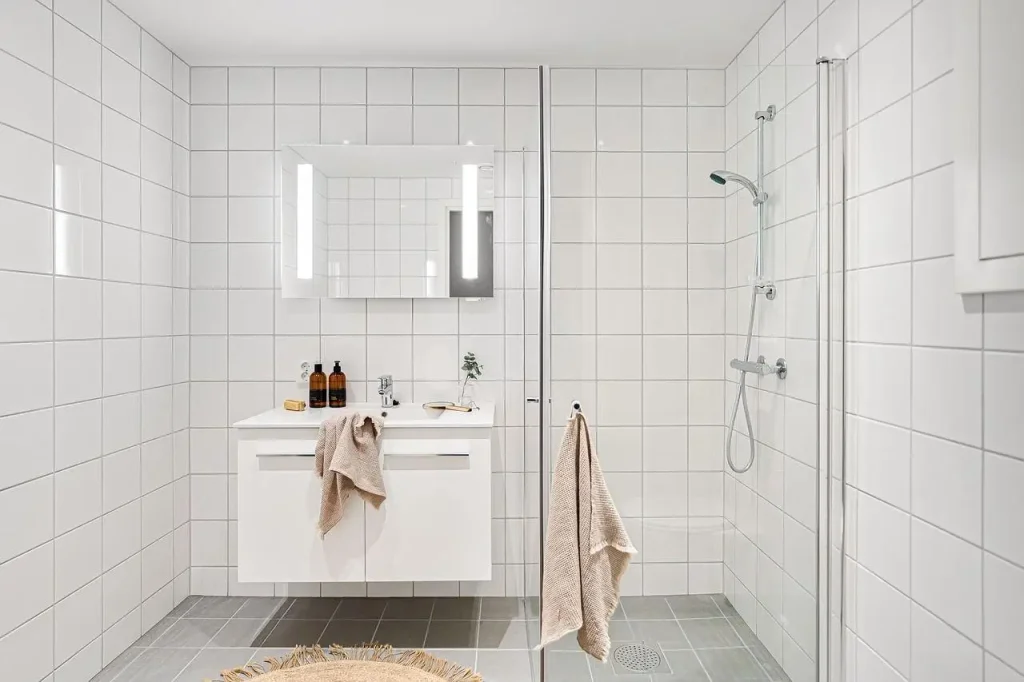
In this guide, you’ll discover practical ways to clean bathroom tiles, remove stubborn soap scum and hard water stains, restore discolored grout, and keep your bathroom tiles looking clean for longer.
Why Do Bathroom Tiles Get Dirty?
Bathroom tiles are constantly exposed to water, soap, shampoo, body oils, and humidity. Over time, these substances leave deposits that can make tiles look dull and discolored.
Here are some common reasons bathroom tiles become dirty:
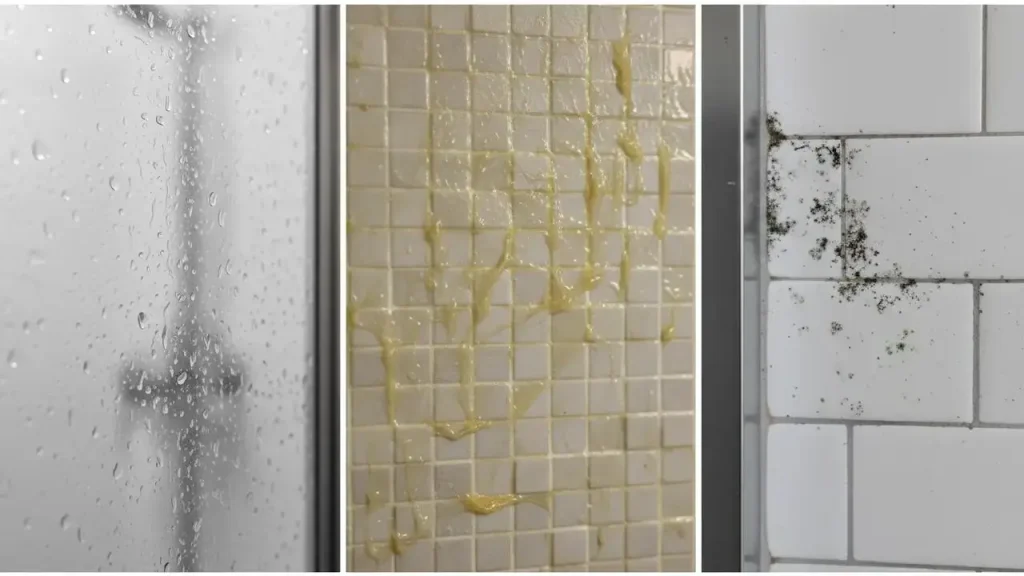
- Soap scum: Soap residue combines with minerals in water and forms a cloudy film on shower walls and tiles.
- Hard water stains: Minerals such as calcium and magnesium can leave white spots, streaks, and chalky deposits.
- Mold and mildew: Moisture and poor ventilation can encourage mold and mildew growth, particularly around grout lines and corners.
- Dirt and body oils: Everyday use introduces dirt, skin oils, and other residues onto bathroom floors and walls.
- Moisture buildup: Water left on tiles and grout can contribute to discoloration, mineral deposits, and mildew growth.
For more information about safe mold removal, consult the CDC’s mold cleanup guidelines.
Understanding the type of buildup helps you select the most effective cleaning method.
What You Need to Clean Bathroom Tiles
Before starting, collect the necessary cleaning supplies. You do not need expensive equipment to clean most bathroom tile surfaces.

Essential cleaning supplies
- Microfiber cloths
- Soft-bristle cleaning brush
- Non-abrasive sponge
- Spray bottle
- Warm water
- Mild dish soap
- pH-neutral tile cleaner
- Tile-safe grout cleaning brush
- Protective gloves
- Dry towels or a squeegee
Important: Identify your tile material before selecting a cleaner. Ceramic and porcelain tiles are generally easier to maintain than natural stone. Marble, limestone, and other acid-sensitive stones need specially formulated stone cleaners.
How to Clean Bathroom Tiles Step by Step
The best way to clean bathroom tiles is to remove loose dirt first, apply a suitable cleaning solution, gently scrub the surface, and rinse away all residue.
Follow these seven steps for routine bathroom tile cleaning.

Step 1: Remove Loose Dirt and Dust
Start by removing loose dirt, hair, dust, and debris from the bathroom floor and walls.
- Sweep or vacuum the bathroom floor.
- Remove loose debris from corners and edges.
- Wipe shower walls with a dry microfiber cloth.
- Pay attention to areas around the toilet, bathtub, and shower.
Removing loose particles first helps prevent scratches while scrubbing.
Step 2: Prepare a Tile-Safe Cleaning Solution
For everyday cleaning, use warm water with a small amount of mild dish soap or a suitable pH-neutral tile cleaner.
If you are using a commercial cleaning product, follow its dilution instructions carefully.
Avoid experimenting with strong household chemicals, particularly when you are unsure about your tile material.
Step 3: Apply the Cleaning Solution
Pour the prepared solution into a spray bottle if appropriate for the product.
Spray it evenly over the dirty tile surface, focusing on areas with visible soap residue, dirt, and stains.
For floor tiles, you can apply the solution using a clean mop or sponge.
Step 4: Allow the Cleaner to Work
Give the cleaning solution enough time to loosen dirt and surface residue.
Follow the manufacturer’s recommended contact time. Do not allow the product to dry on the tiles unless its instructions specifically permit it.
Step 5: Scrub Gently
Use a non-abrasive sponge or soft-bristle brush to clean the tiles.
- Move the sponge in gentle circular motions.
- Use a grout brush for narrow grout lines.
- Pay attention to corners and shower edges.
- Avoid steel wool and harsh scouring pads.
You may need to repeat the process for stubborn deposits.
Step 6: Rinse with Clean Water
Remove the remaining cleaning solution using a clean, damp sponge or cloth.
Rinse thoroughly to prevent sticky residue and cloudy marks from developing after the tiles dry.
Step 7: Dry the Tiles
Finish by wiping the tiles with a clean microfiber cloth or dry towel.
For shower walls, a squeegee can help remove excess water.
Drying the surface reduces water spots and helps keep the bathroom looking fresh.
How to Remove Soap Scum from Bathroom Tiles
Soap scum is one of the most common bathroom cleaning problems. It appears as a cloudy, whitish, or slightly greasy film on shower walls, bathtub surrounds, and tiles.
It develops when soap residue combines with minerals in water and other bathroom deposits.

Effective ways to remove soap scum
Method 1: Mild dish soap and warm water
This is a good starting point for light soap scum on compatible tile surfaces.
- Mix a small amount of mild dish soap with warm water.
- Apply the solution using a sponge.
- Gently scrub the affected tiles.
- Rinse with clean water.
- Dry using a microfiber cloth.
Method 2: Commercial soap scum remover
For stubborn deposits, choose a commercial soap scum remover specifically labeled as suitable for your tile material and grout.
- Read the product label.
- Test it on a small, hidden area.
- Apply it as directed.
- Allow the recommended contact time.
- Gently scrub if required.
- Rinse thoroughly and dry.
Do not assume that a product suitable for ceramic tiles is also suitable for marble or limestone./;
Soap residue can also accumulate inside shower drains and contribute to drainage problems. If you notice slow drainage, follow our guide on how to fix a clogged shower drain to learn practical ways to remove buildup and keep your shower draining properly.
How to prevent soap scum buildup
- Use a shower squeegee after bathing.
- Wipe shower walls regularly.
- Avoid leaving soap residue on tile surfaces.
- Keep shower areas properly ventilated.
- Clean visible deposits before they become difficult to remove.
How to Remove Hard Water Stains from Bathroom Tiles
Hard water stains appear as white spots, cloudy patches, or chalky deposits on bathroom tiles and shower surfaces.
They develop when mineral-containing water evaporates and leaves mineral deposits behind.

How to remove hard water stains
For compatible ceramic or porcelain tiles:
- Identify the tile material.
- Select a commercial hard water deposit remover labeled for that specific surface.
- Test the product in an inconspicuous area.
- Apply it according to the manufacturer’s directions.
- Gently wipe or scrub with a non-abrasive sponge.
- Rinse thoroughly with clean water.
- Dry the surface with a microfiber cloth.
Natural stone warning: Never use vinegar, lemon juice, or other acidic cleaners on marble, limestone, or other acid-sensitive natural stone. Acids can etch and permanently dull the surface.
For natural stone, use a stone-safe product specifically approved for the material.
If you are also dealing with mineral deposits on other household surfaces, see our related guide: [How to Remove Hard Water Stains – Internal Link Placeholder].
How to Clean Bathroom Tile Grout
Grout is the material that fills the spaces between bathroom tiles. Unlike many glazed tile surfaces, cement-based grout is porous and can absorb dirt, moisture, and stains.
This is why grout lines often become darker or discolored over time.
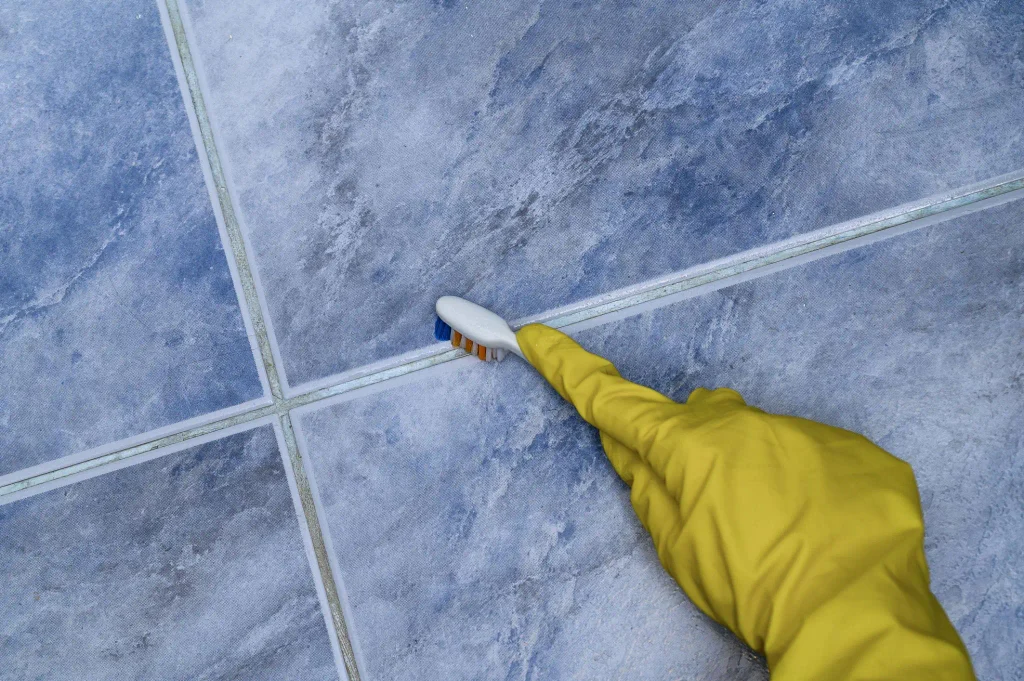
Step-by-step grout cleaning method
- Remove loose dust and dirt from the grout lines.
- Apply a grout-safe cleaner according to its instructions.
- Allow it to sit for the recommended time.
- Gently scrub with a soft or medium-soft nylon grout brush.
- Remove the loosened dirt with a damp cloth.
- Rinse thoroughly with clean water.
- Dry the grout as much as possible.
For stubborn stains, use a specialist grout cleaner suitable for your grout type.
How to prevent grout discoloration
- Keep grout lines as dry as practical.
- Clean spills and soap residue promptly.
- Improve bathroom ventilation.
- Check whether your cement-based grout needs resealing.
- Use a compatible grout sealer according to the manufacturer’s instructions.
Grout sealer can help reduce staining, but it does not make the entire shower waterproof.
How to Clean Different Types of Bathroom Tiles
Not every bathroom tile can be cleaned using the same products. Some surfaces tolerate routine household cleaners, while others can become scratched, stained, or damaged.
Here is how to care for different tile materials.
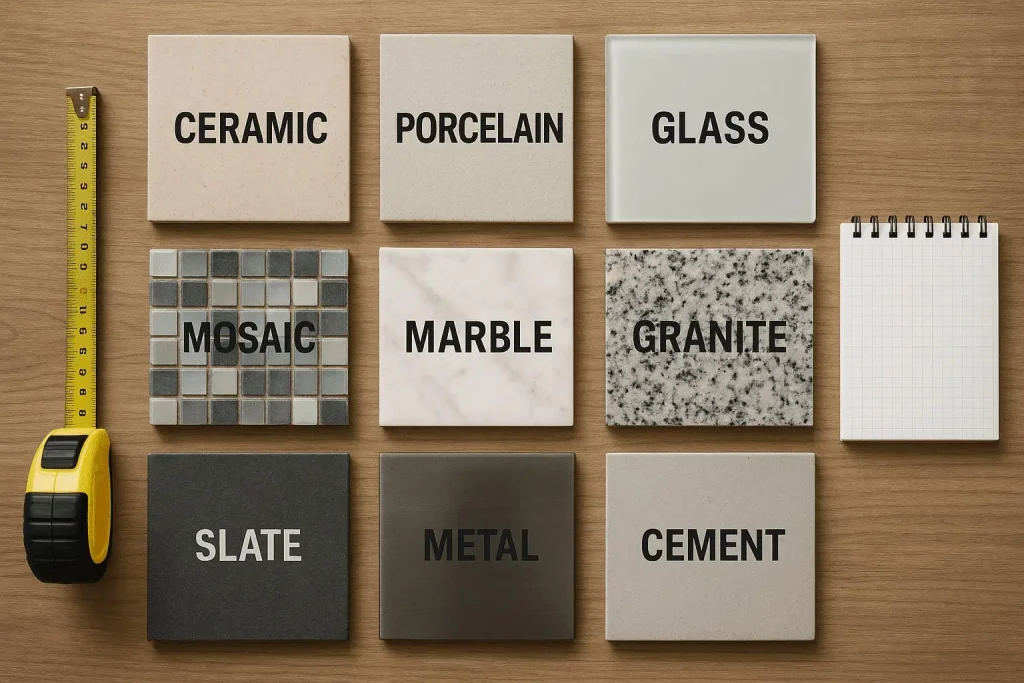
| Tile type | Recommended cleaning method | Avoid |
|---|---|---|
| Ceramic | Warm water and mild tile-safe cleaner | Abrasive pads |
| Porcelain | pH-neutral tile cleaner and soft sponge | Unapproved harsh chemicals |
| Natural stone | Stone-specific pH-neutral cleaner | Vinegar, lemon juice, acids |
| Glass | Soft microfiber cloth and suitable glass cleaner | Steel wool and abrasive scrubbers |
| Textured tiles | Soft-bristle brush and compatible tile cleaner | Aggressive scrubbing |
1. Ceramic Tiles
Ceramic tiles are commonly used in bathroom walls, floors, and shower areas.
To clean them:
- Remove loose dirt.
- Apply warm water and a suitable mild cleaner.
- Wipe using a non-abrasive sponge.
- Rinse thoroughly.
- Dry with a clean cloth.
For stubborn deposits, select a specialist ceramic tile cleaner.
2. Porcelain Tiles
Porcelain tiles are dense and generally resistant to water absorption and everyday staining.
Use a neutral, tile-safe cleaner and a soft sponge or microfiber mop. Pay particular attention to grout lines, which can collect dirt even when the porcelain surface remains clean.
3. Natural Stone Tiles
Marble, limestone, travertine, and other natural stone tiles require special care.
Use only a pH-neutral cleaner specifically approved for natural stone.
Never use:
- Vinegar
- Lemon juice
- Acid-based bathroom cleaners
- Harsh abrasive powders
- Unapproved bleach products
These substances can damage the finish or affect protective sealers.
4. Glass Tiles
Glass tiles can show water spots, fingerprints, and soap residue.
Clean them using a soft microfiber cloth and a compatible non-abrasive glass or tile cleaner.
Rinse away residue and dry with a clean cloth to reduce streaks.
5. Textured Bathroom Tiles
Textured tiles have small grooves and uneven surfaces where dirt can accumulate.
Use a soft-bristle brush to reach these areas.
Apply a suitable tile cleaner, gently scrub, rinse thoroughly, and remove excess water. Avoid aggressive brushes that may damage the tile finish.
Natural Ways to Clean Bathroom Tiles
If you prefer simple household cleaning methods, several options can help with everyday dirt and light residue.
However, natural ingredients are not automatically safe for every tile material.
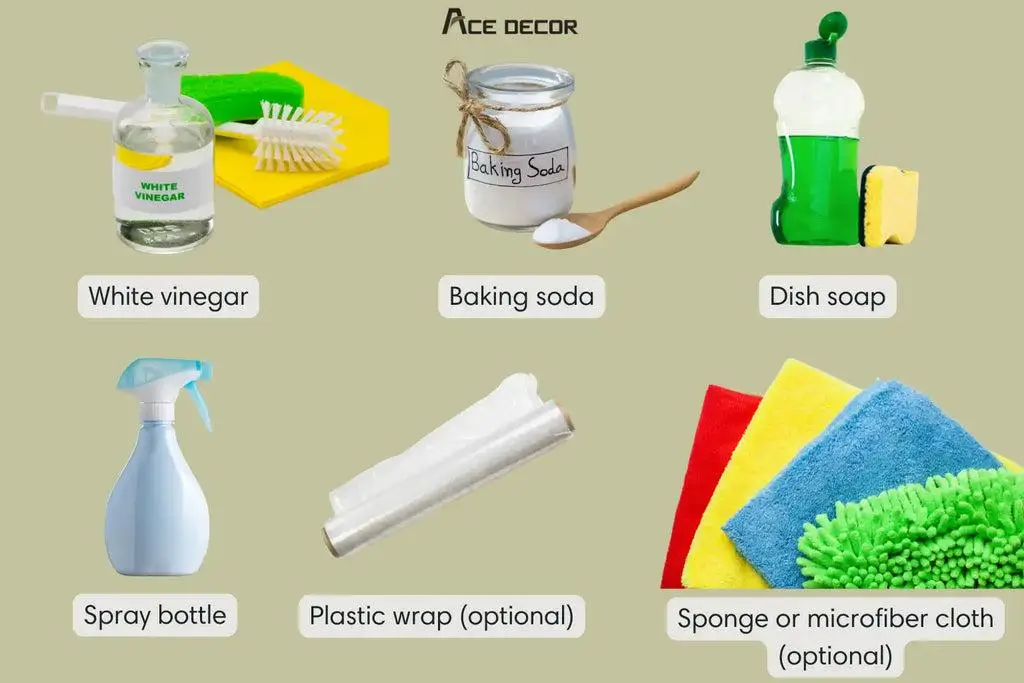
1. Warm Water and Mild Dish Soap
This is one of the simplest options for routine cleaning.
- Add a small amount of mild dish soap to warm water.
- Dip a soft sponge into the solution.
- Wipe the tile surface gently.
- Rinse with clean water.
- Dry with a microfiber cloth.
Use a small amount of soap and rinse thoroughly to avoid leaving a film.
2. Baking Soda for Suitable Surfaces
Baking soda can help loosen certain surface deposits on compatible, non-delicate materials.
For suitable ceramic or porcelain surfaces:
- Mix baking soda with a little water to create a soft paste.
- Test it in a hidden area.
- Apply gently to the stained area.
- Avoid vigorous scrubbing.
- Rinse thoroughly and dry.
Do not use baking soda as a universal solution for polished natural stone, delicate finishes, or surfaces that may scratch.
3. Commercial pH-Neutral Tile Cleaner
A pH-neutral tile cleaner is a practical option for regular cleaning when its label confirms compatibility with your tile and grout.
It helps remove everyday dirt without relying on aggressive cleaning chemicals.
Important: Never mix baking soda, vinegar, bleach, ammonia, or commercial cleaners together. Use one cleaning product at a time, following its label instructions.
Common Bathroom Tile Cleaning Mistakes to Avoid
Using the wrong cleaning product or cleaning technique can damage bathroom tiles and grout.
Avoid these common mistakes:
- Using abrasive scrubbers: Steel wool and rough scouring pads can scratch or dull tile finishes.
- Using acidic cleaners on natural stone: Vinegar, lemon juice, and acidic products can etch marble and limestone.
- Mixing cleaning chemicals: Never mix bleach with ammonia, vinegar, acids, or other cleaning products. Dangerous fumes can result.
- Leaving cleaners on too long: Follow the recommended contact time on the product label.
- Ignoring grout lines: Dirt and moisture can accumulate between tiles, making the bathroom look dirty even after the tiles have been cleaned.
- Not rinsing properly: Leftover cleaning solution can create a sticky film that attracts more dirt.
- Using the same cleaner on every surface: Different tile materials require different cleaning products.
- Cleaning without ventilation: Open windows or doors and use an exhaust fan where possible.
Always wear appropriate protective gloves, follow product safety instructions, and test cleaners on a small, inconspicuous area before applying them to the entire surface.
Before using household cleaning products, review these cleaning product safety guidelines from the U.S. Environmental Protection Agency.
How to Keep Bathroom Tiles Clean Longer
Regular maintenance is easier than dealing with months of accumulated soap scum, mineral deposits, and stubborn stains.
Use these practical bathroom tile cleaning tips to maintain a fresh-looking bathroom.
- Wipe shower walls after bathing: Use a squeegee to remove excess water.
- Clean tiles regularly: Wipe frequently used bathroom surfaces before dirt accumulates.
- Dry wet areas: Use a microfiber cloth to remove standing water around shower corners and floors.
- Improve ventilation: Run the exhaust fan during and after showers, or open a window when practical.
- Clean grout lines: Include grout in your regular bathroom cleaning routine.
- Use a bath mat: Place a washable bath mat near the shower to collect excess water.
- Avoid excessive soap residue: Use products that rinse clean and wipe away leftover shampoo and soap.
- Remove stains early: Clean visible mineral deposits and dirt before they become difficult to remove.
- Inspect bathroom corners: Check areas around tubs, sinks, and shower enclosures for persistent moisture.
- Check grout and sealers: Maintain cement-based grout and compatible sealers according to manufacturer recommendations.
These small habits can reduce cleaning time and help preserve the appearance of bathroom tiles.
Learn more about mold and moisture prevention from the EPA.
Frequently Asked Questions (FAQs)
1. What is the easiest way to clean bathroom tiles?
The easiest way is to use warm water and a mild, tile-safe cleaning solution. Wipe the tiles with a non-abrasive sponge, rinse thoroughly, and dry with a microfiber cloth. For stubborn buildup, use a suitable specialist tile cleaner.
2. How often should bathroom tiles be cleaned?
Lightly wipe frequently used shower surfaces several times a week. Clean bathroom floors and walls regularly, with a more thorough cleaning approximately once a week depending on usage, moisture, and dirt buildup.
3. How do you remove stubborn stains from bathroom tiles?
Use a commercial stain remover specifically designed for your tile material. Follow the label instructions, test a small hidden area, and gently scrub with a soft brush. Avoid aggressive chemicals and abrasive tools.
4. Can baking soda clean bathroom tiles?
Yes, baking soda can help loosen certain stains on compatible ceramic and porcelain surfaces. Use a small amount mixed with water, test first, and scrub gently. Avoid using it on delicate or polished natural stone unless approved by the stone manufacturer.
5. What is the best cleaner for bathroom tiles?
A pH-neutral tile cleaner is a good choice for routine cleaning of many tile surfaces. However, the best cleaner depends on the material and the type of stain. Natural stone requires a cleaner specifically approved for stone.
6. How do you clean bathroom tiles without scrubbing?
Apply a compatible spray-on tile cleaner or cleaning solution and allow it to work for the time specified on its label. Wipe the surface with a soft microfiber cloth and rinse if required. This can remove light dirt and residue, although stubborn deposits may still require gentle brushing.
7. How can I prevent soap scum from building up?
Use a shower squeegee after every shower, wipe wet surfaces, rinse away soap residue, and keep the bathroom ventilated. Regular cleaning prevents soap scum from becoming difficult to remove.
8. How do you make bathroom tiles look new again?
Remove soap scum, hard water deposits, and surface dirt using tile-appropriate cleaning products. Clean the grout separately, rinse thoroughly, and dry the tiles. If the surface is permanently etched, scratched, or damaged, professional restoration or replacement may be necessary.
Keeping your bathroom clean also means maintaining its plumbing fixtures. If your toilet continues running after flushing, read our guide on how to fix a running toilet for simple troubleshooting steps.
Conclusion
Keeping bathroom tiles clean does not require expensive equipment or harsh chemicals. The most effective approach is to identify your tile material, choose an appropriate cleaning solution, and follow a regular cleaning routine.

For everyday maintenance, warm water and a suitable mild cleaner can remove ordinary dirt and residue. For stubborn soap scum, hard water deposits, and grout stains, use specialized products designed for the affected surface.
Remember to avoid acidic cleaners on natural stone, never mix cleaning chemicals, and always rinse and dry bathroom surfaces properly.
By following these practical methods for how to clean bathroom tiles, you can maintain cleaner shower walls, brighter grout lines, and a fresher bathroom for longer.