Home
Safety Tips.

Simple and practical safety tips to keep your home and family safe. Learn how to prevent accidents, reduce risks and create a safer home environment with easy step-by-step guides.
Prevent
Accidents
Easy
Safety Tips
A Safer
Home
Browse Home Safety Topics
Fire & Smoke
Safety
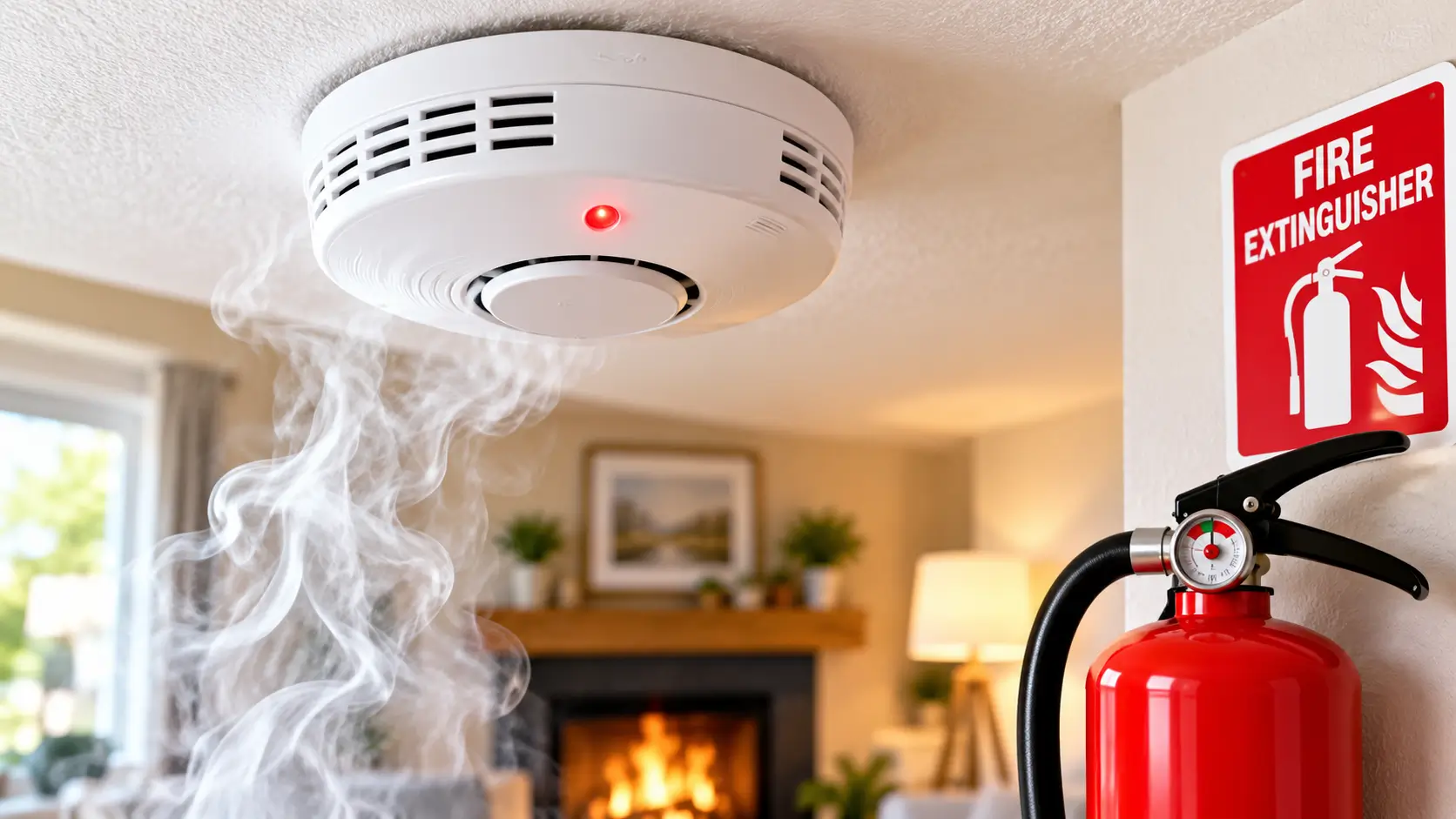
Learn how to check smoke alarms, reduce fire risks, and prepare for emergencies.
Electrical
Safety
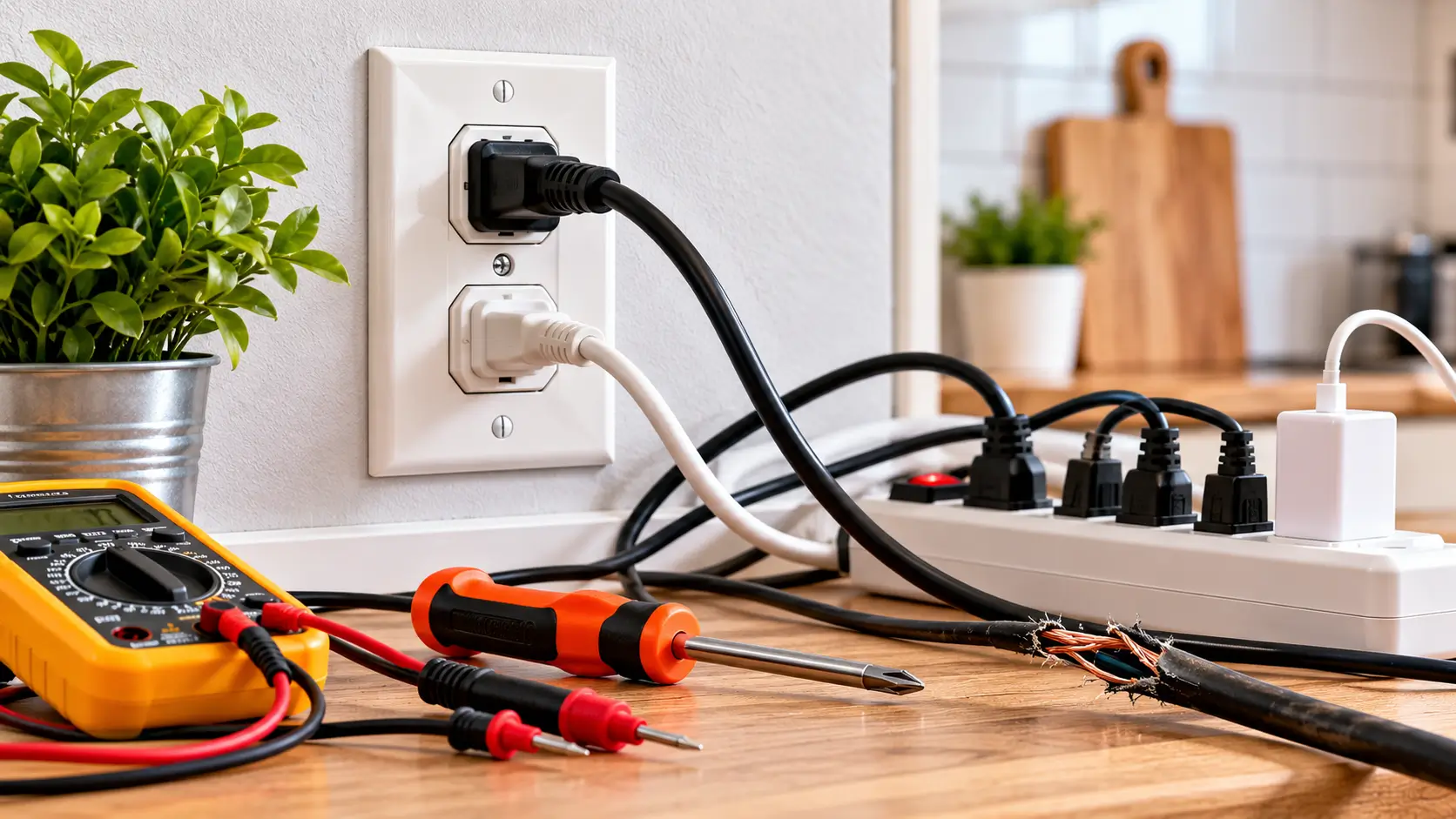
Identify damaged cords, overloaded outlets, and other common electrical hazards.
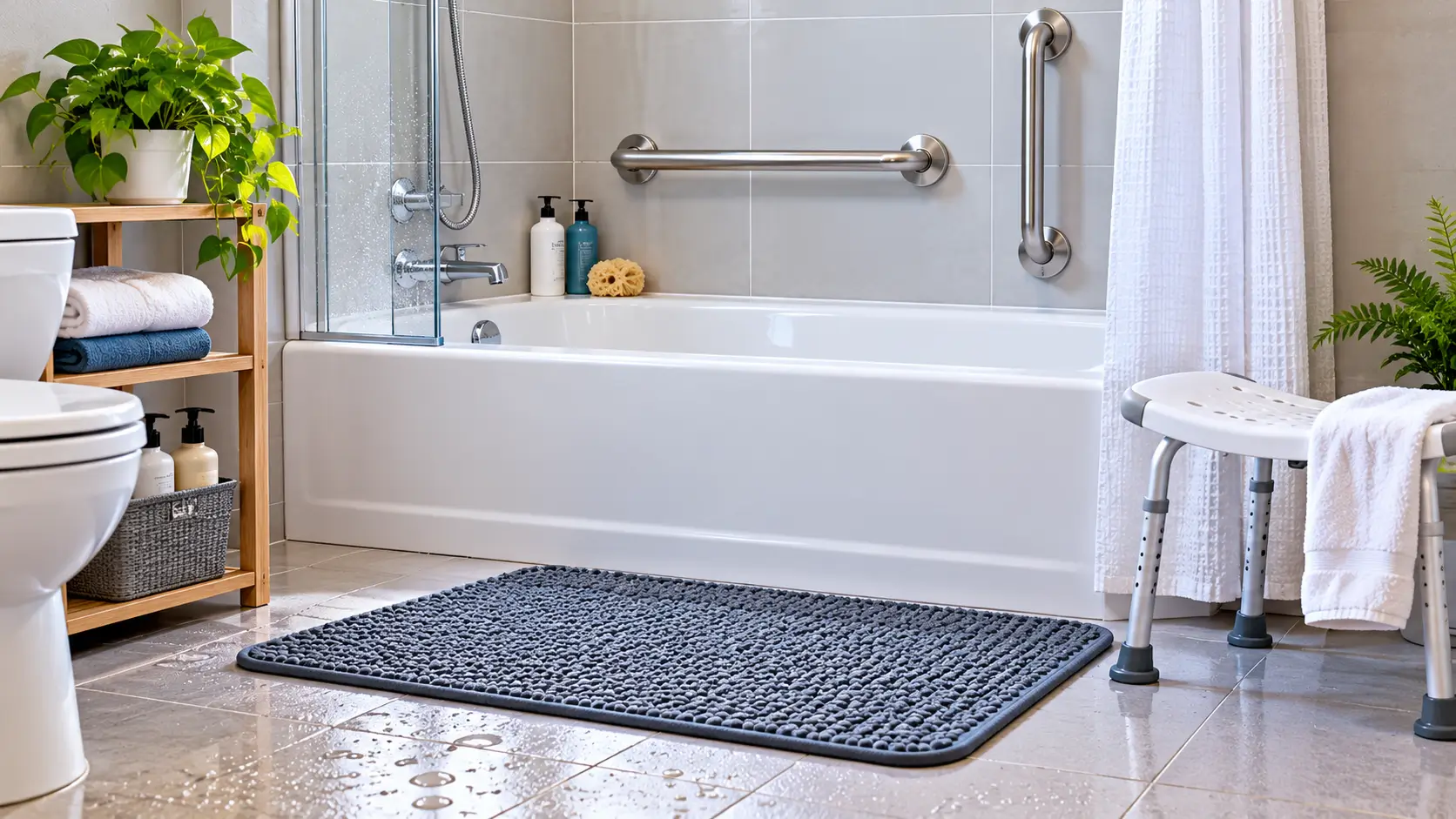
Bathroom
Safety
Reduce slips and falls with dry floors, suitable non-slip mats, and secure grab bars.
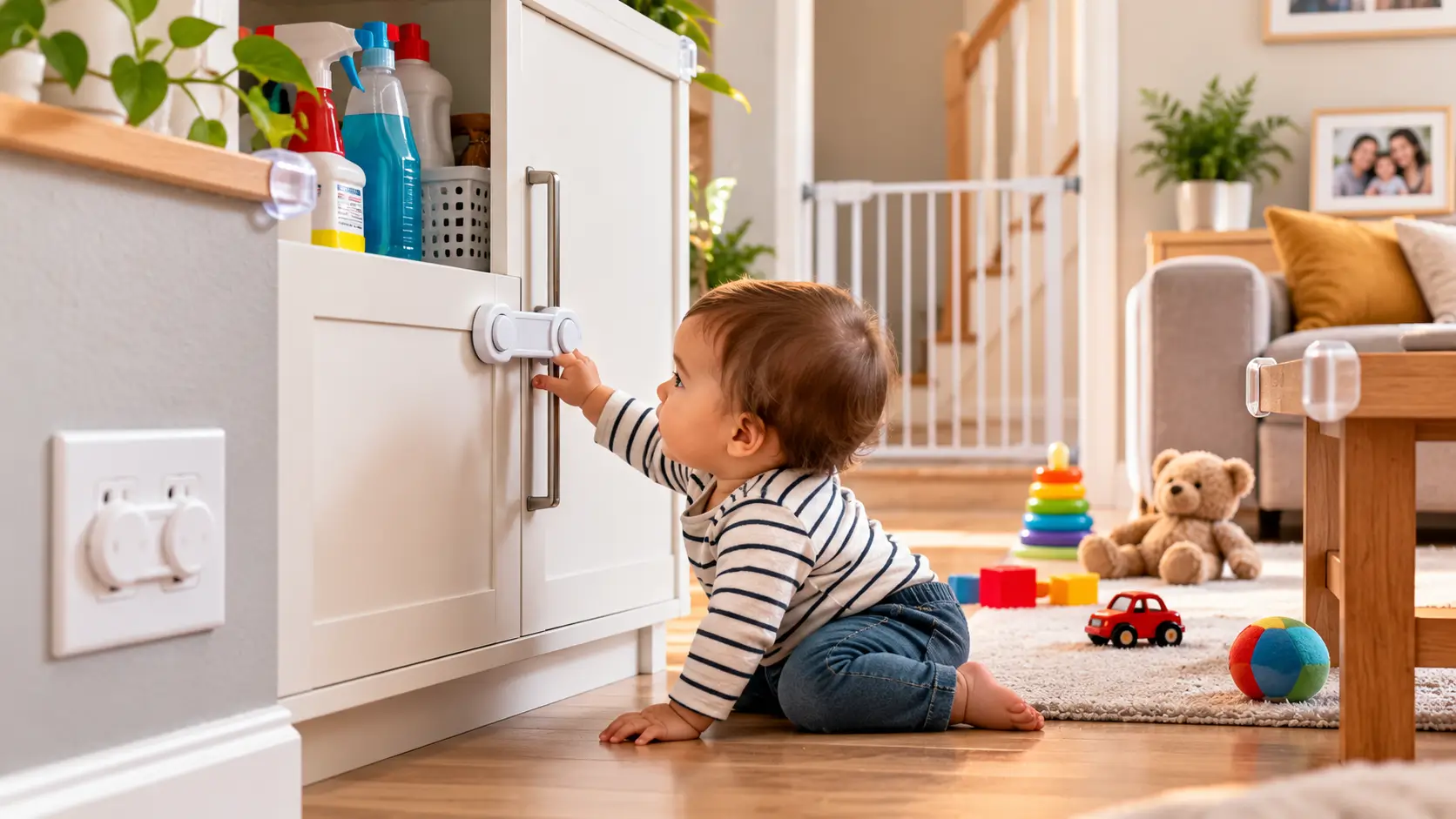
Childproofing & Family Safety
Secure hazardous products, medicines, cabinets, and other potential dangers.
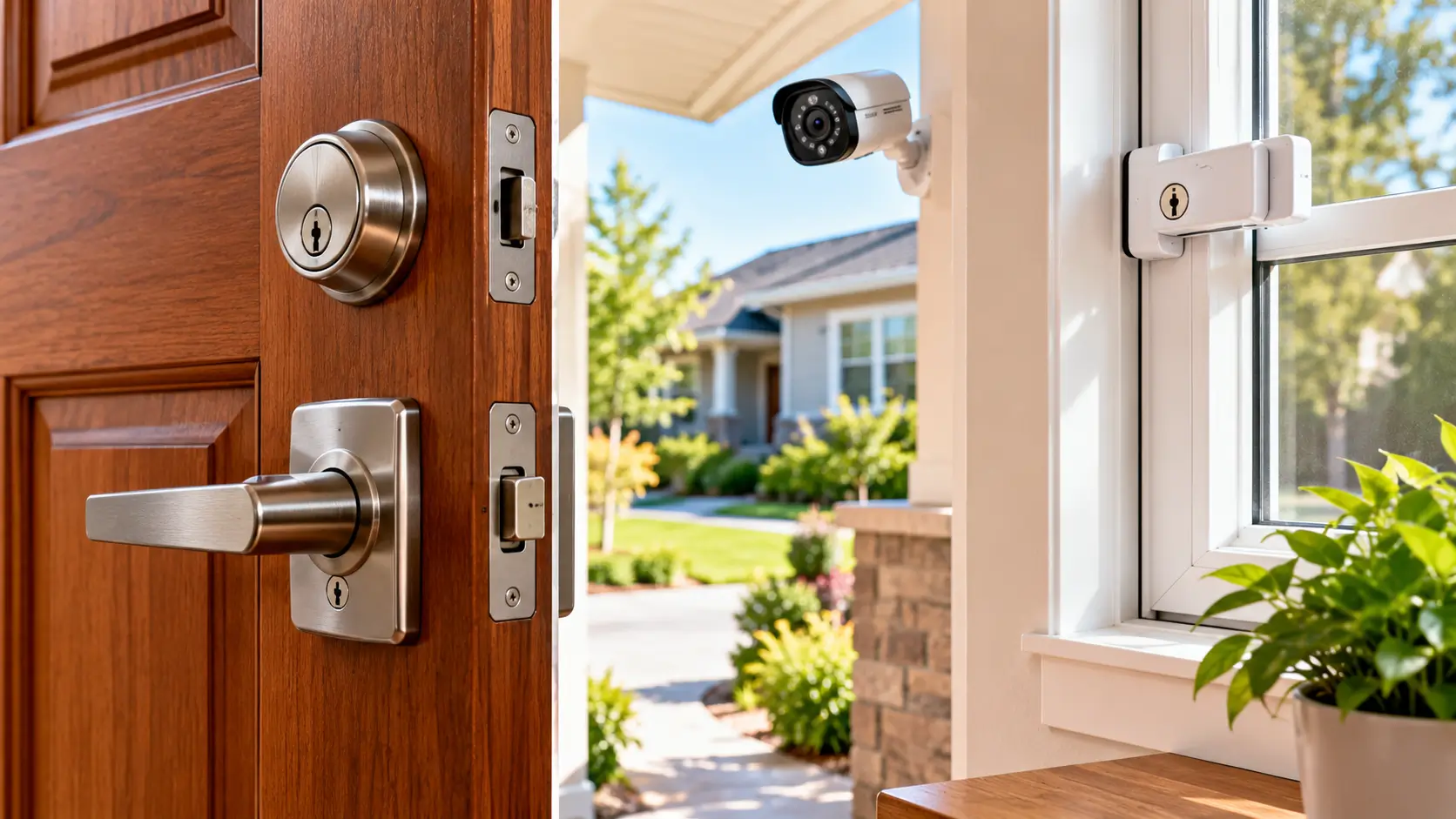
Doors, Windows & Security
Improve everyday security by checking locks, window latches, and entry points.
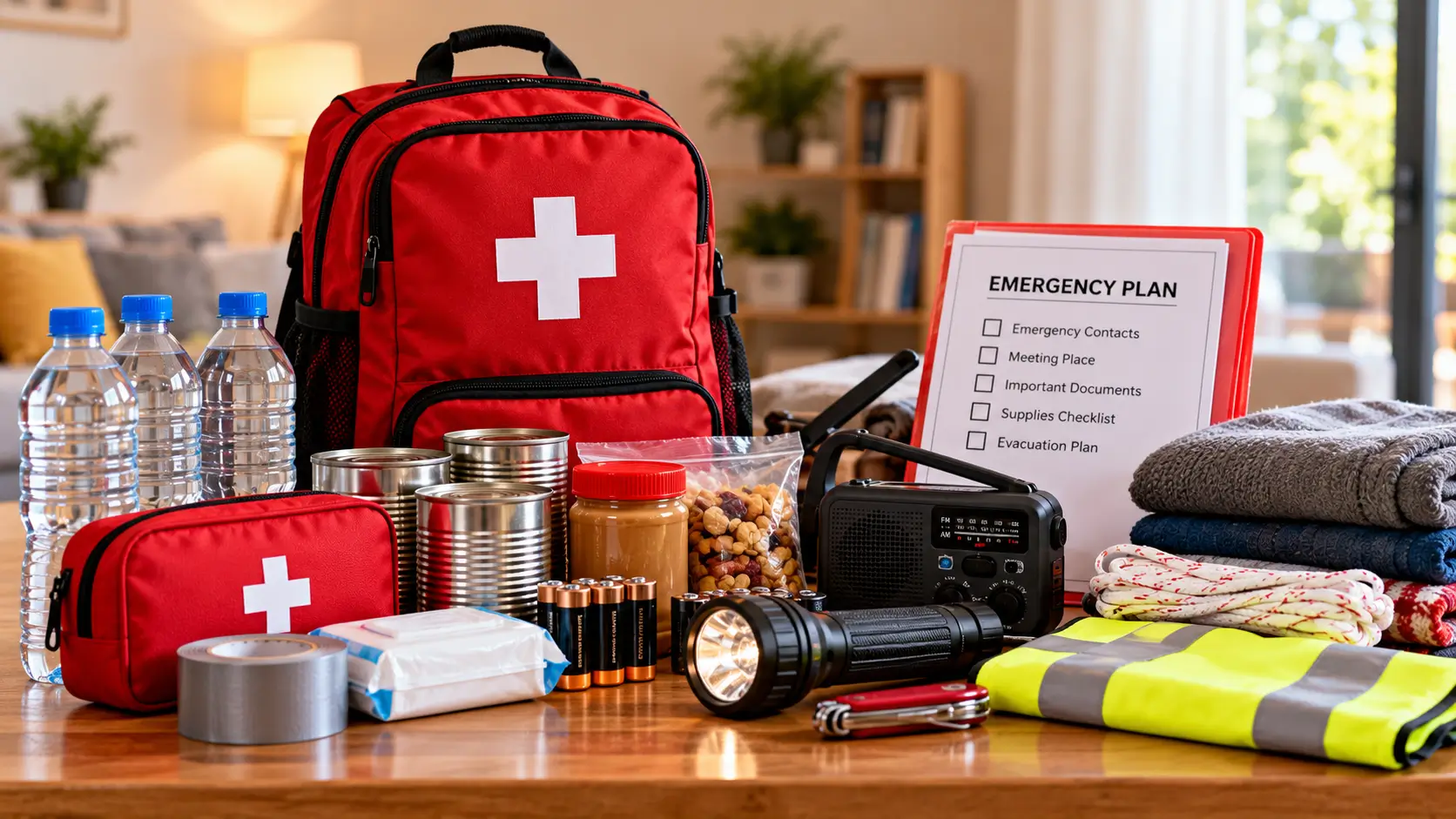
Emergency Preparedness
Keep essential supplies accessible and make a simple household emergency plan.
Essential Home Safety Tips
10 Simple Ways to Make Your Home Safer
- Test Smoke Alarms: Test alarms according to the manufacturer's instructions and replace batteries or units when required.
- Check Electrical Cords: Stop using cords with exposed wires, damaged plugs, or signs of overheating.
- Keep Walkways Clear: Remove loose objects and trailing cables from hallways and stairs.
- Prevent Bathroom Slips: Clean up standing water promptly and use suitable non-slip surfaces.
- Store Chemicals Safely: Keep cleaning products, medicines, and hazardous substances in their original containers, away from children and pets.
- Secure Heavy Furniture: Anchor tall bookcases, cabinets, and other heavy furniture to suitable wall supports.
- Check Door and Window Locks: Make sure locks and latches work properly and accessible exits remain usable.
- Keep Fire Hazards Away: Keep flammable items away from open flames, heaters, and cooking equipment.
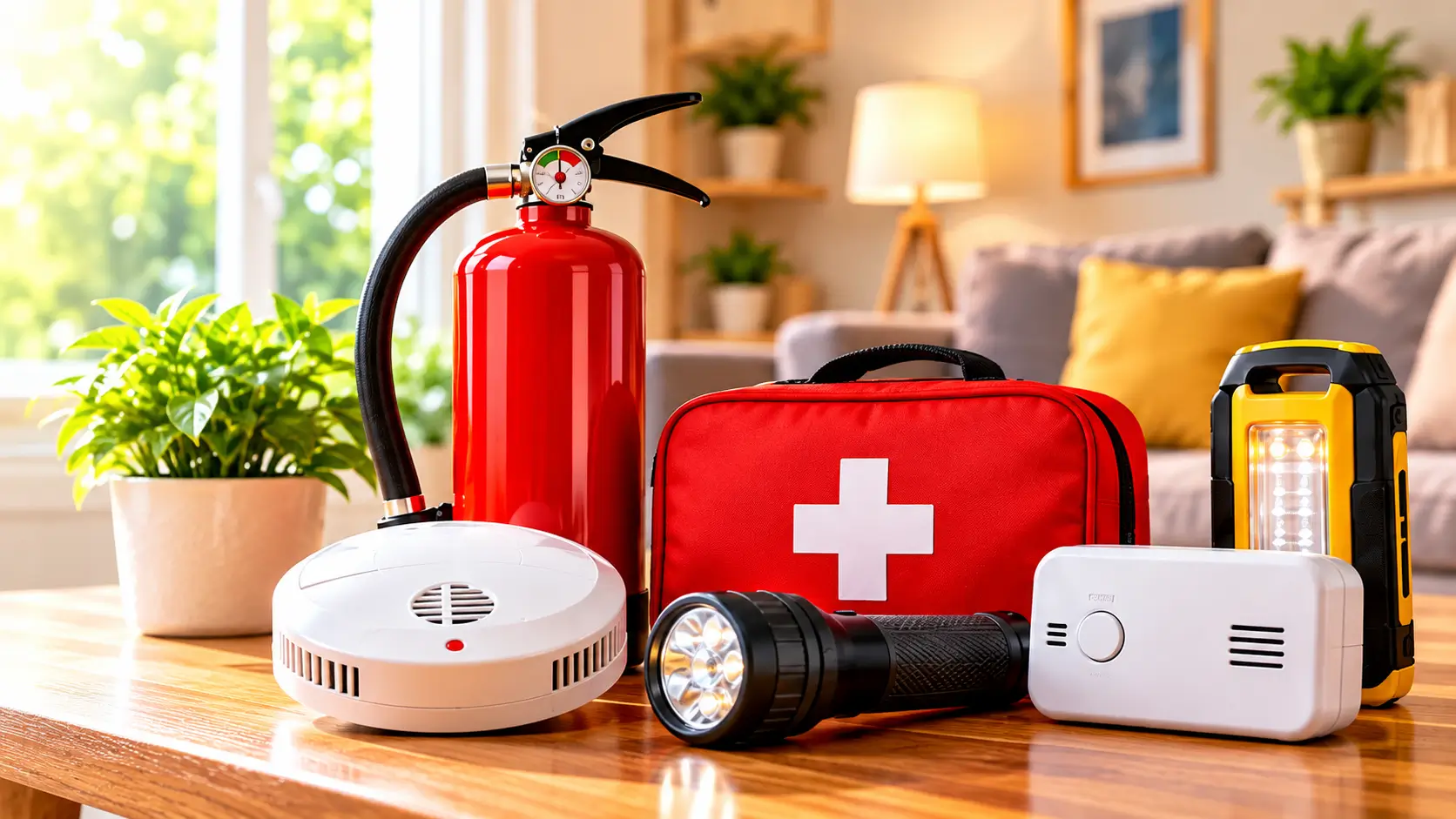
- Prepare an Emergency Kit: Store a first-aid kit, flashlight, spare batteries, and essential emergency supplies in an accessible place.
- Inspect Your Home Regularly: Look for leaks, loose handrails, damaged flooring, and other hazards that may need attention.
Room-by-Room Home Safety Checklist
- Living Room
- Secure heavy furniture and televisions
- Keep walkways free of clutter
- Check lamps, plugs, and electrical cords
- Kitchen
- Keep flammable items away from cooking areas
- Store sharp tools and cleaning products safely
- Check appliance cords for visible damage
- Bathroom
- Keep floors dry
- Use suitable non-slip mats
- Check grab bars and fixtures for secure installation
- Bedroom & Stairs
- Keep exits and stairways clear
- Use secure handrails
- Check smoke alarms as recommended
Common Home Safety Mistakes
- Ignoring smoke alarms that do not work.
- Using damaged electrical cords or plugs.
- Leaving wet floors without cleaning or warning others.
- Storing chemicals in drink bottles or food containers.
- Blocking doors, hallways, or emergency exits.
- Using ladders or tools without following their safety instructions.
- Attempting gas, major electrical, or structural repairs without the proper qualifications.
Home Safety Tips for Families
- For children: Secure medicines, cleaning products, sharp objects, and accessible electrical outlets using suitable safety products.
- For older adults: Improve lighting, remove trip hazards, and install professionally secured grab bars where needed.
- For pets: Keep toxic substances and small hazardous objects out of reach.
- For everyone: Make sure household members know emergency exits and how to contact local emergency services.
Frequently Asked Questions
What are the most important home safety checks?
Check smoke alarms, electrical cords, locks, stairs, bathroom floors, and visible signs of leaks or damage.
How often should I check home safety equipment?
Follow each device manufacturer’s testing, inspection, maintenance, and replacement instructions. Some equipment needs more frequent checks than others.
How can I make my home safer for children?
Secure medicines and chemicals, anchor heavy furniture, use suitable cabinet locks, and supervise children around hazards.
When should I call a professional?
Contact a qualified professional for damaged electrical systems, gas leaks, structural concerns, unsafe installations, and repairs beyond your skills.
Helpful Resources
-
American Red Cross
Home Fire Safety
-
Ready.gov
Make a Plan